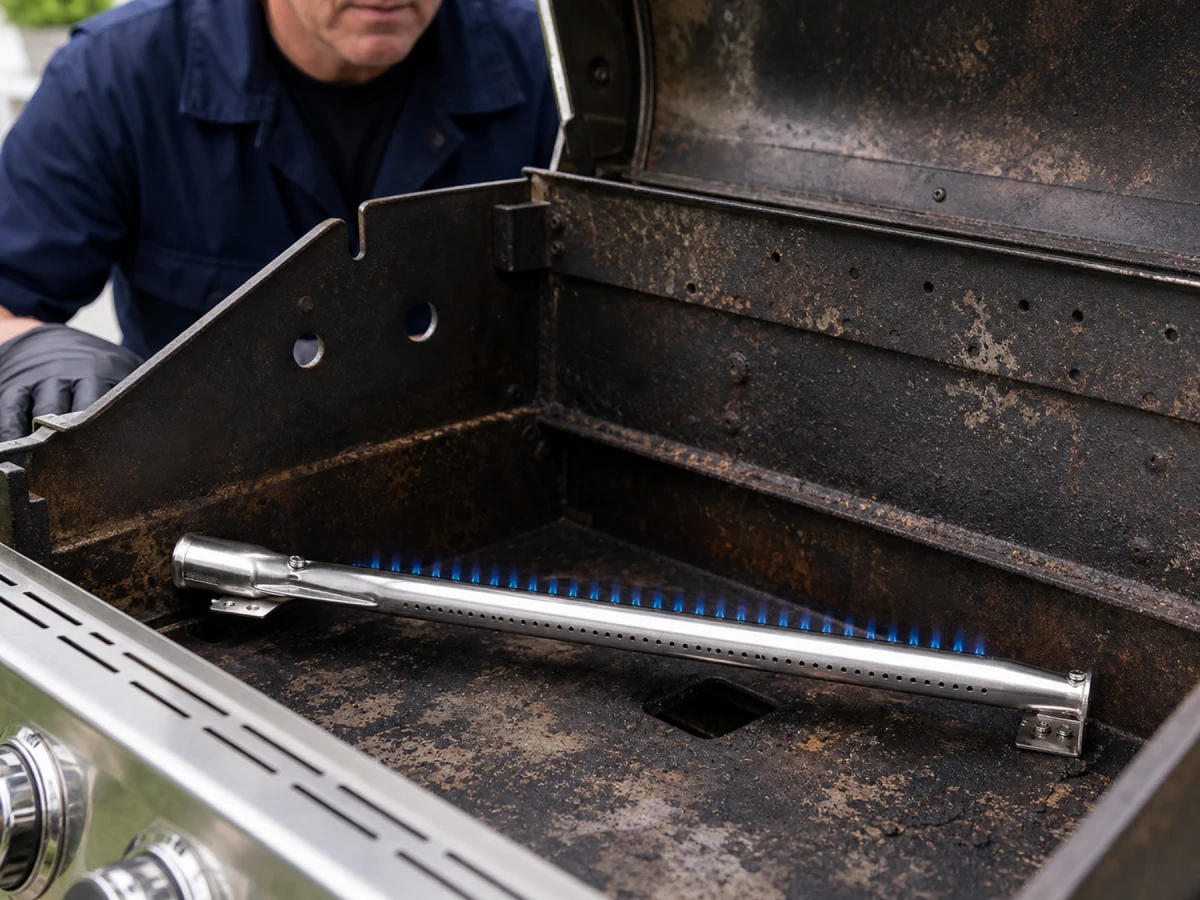
Tube
Straight Burner Tube
Formed tube / punched port pattern / welded details
 Prepare Your Inquiry
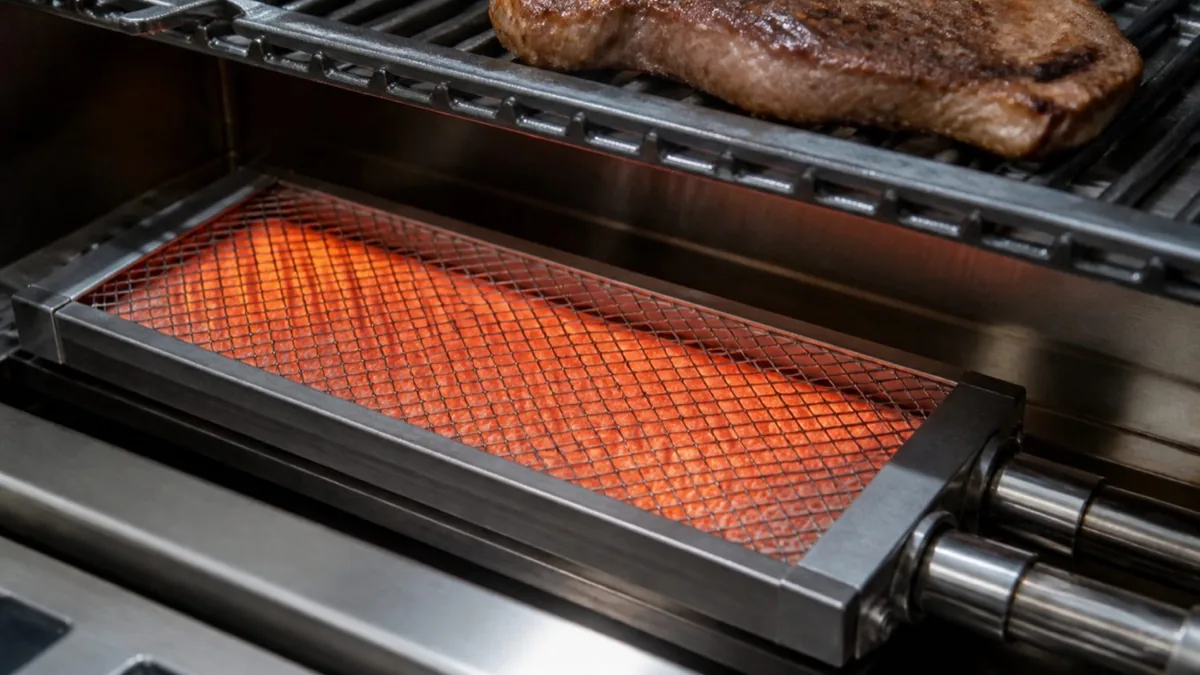
OEM / ODM · GAS BURNER COMPONENTS
Find a burner for your grill design or replacement range.
Compare tube, cast and ceramic infrared burners. Share your grill model, dimensions, mounting details and gas conditions so we can review the fit.
Check a Replacement PartFinal specifications and included accessories are confirmed against your selected model, drawing and sample.Source document: Custom BBQ Burner Series brochureStyle selector
Compare twelve burner designs. Filter by type, then select a design to include in your inquiry.
12 styles shown
Tube
Formed tube / punched port pattern / welded details
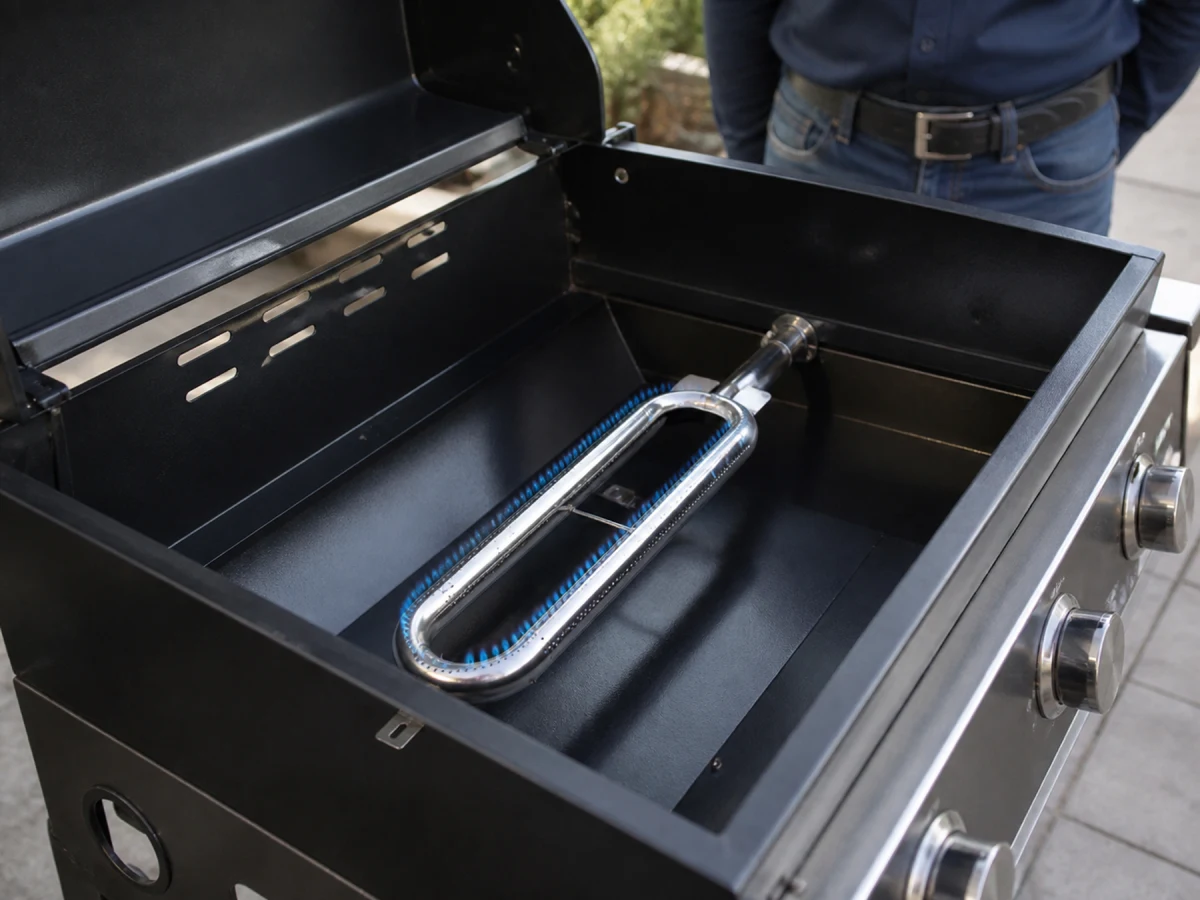
Tube
Bent tube / configurable ports / project mounting tabs
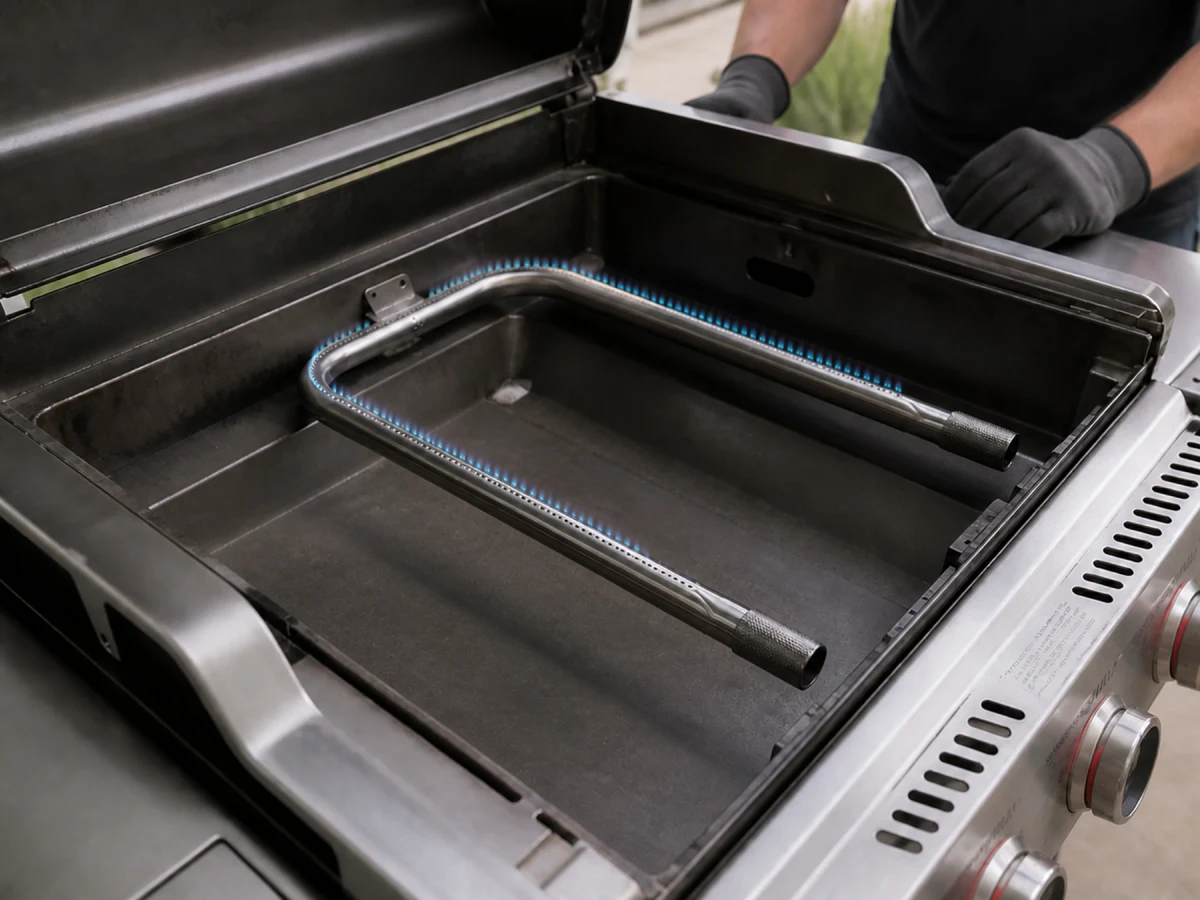
Tube
Shaped loop / center tube / interface-specific set
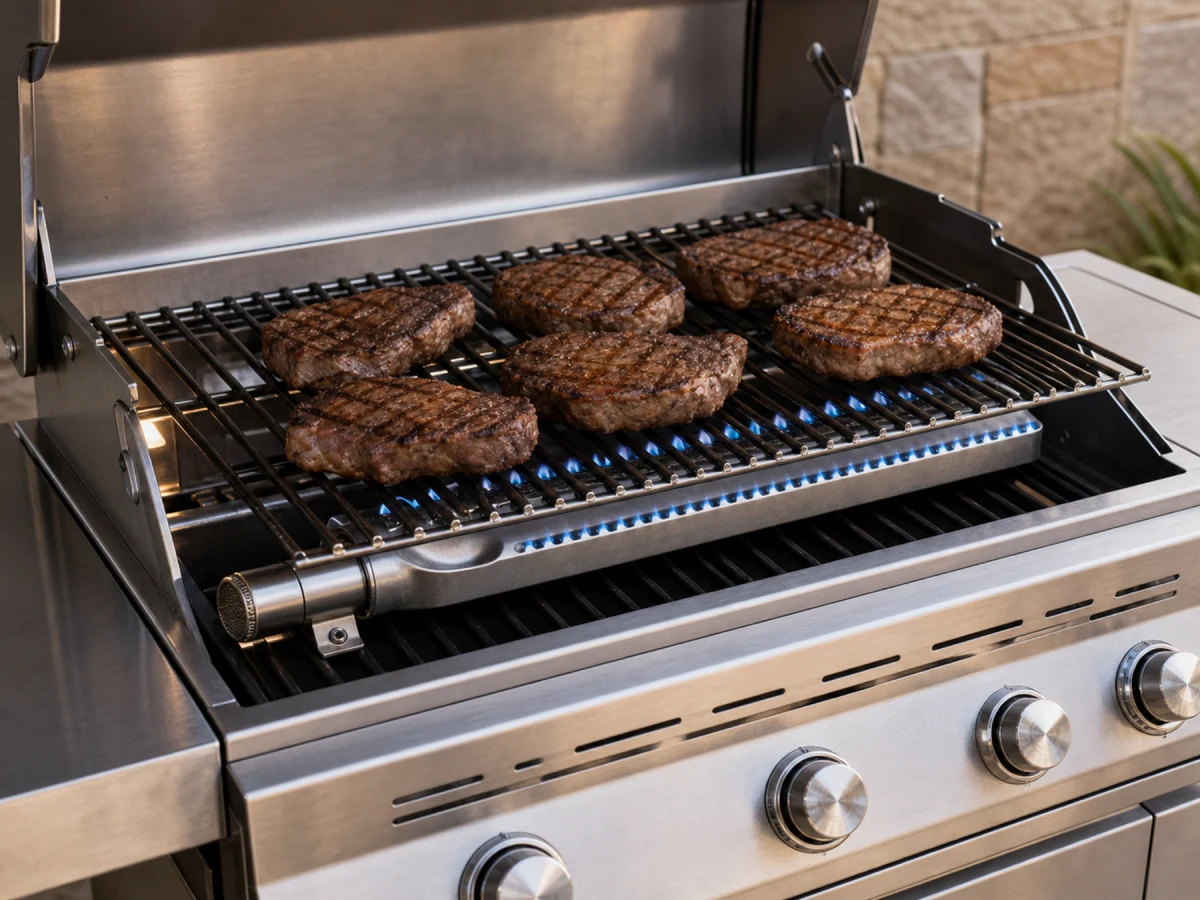
Cast
Cast body / side port rows / inlet-end assembly
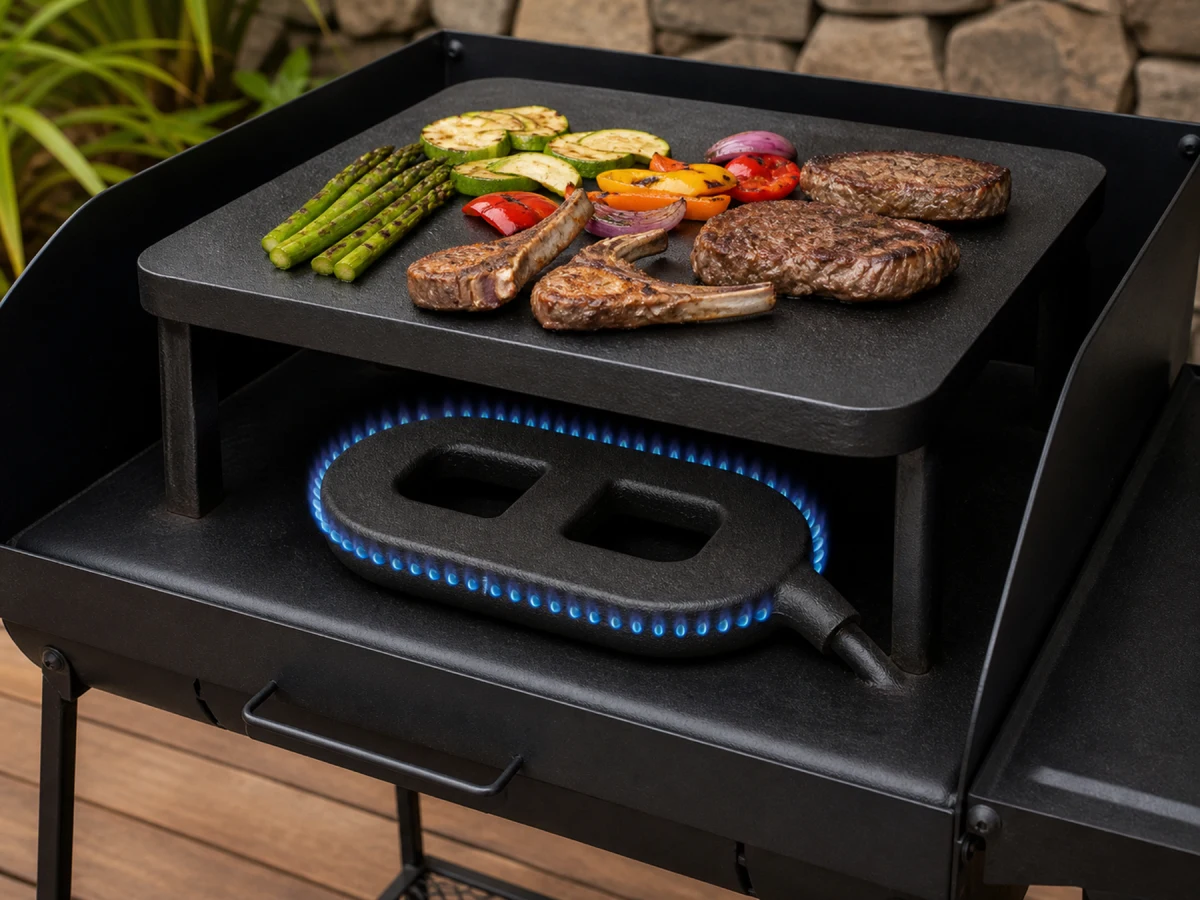
Cast
Cast rectangular loop / central bridge / side inlet
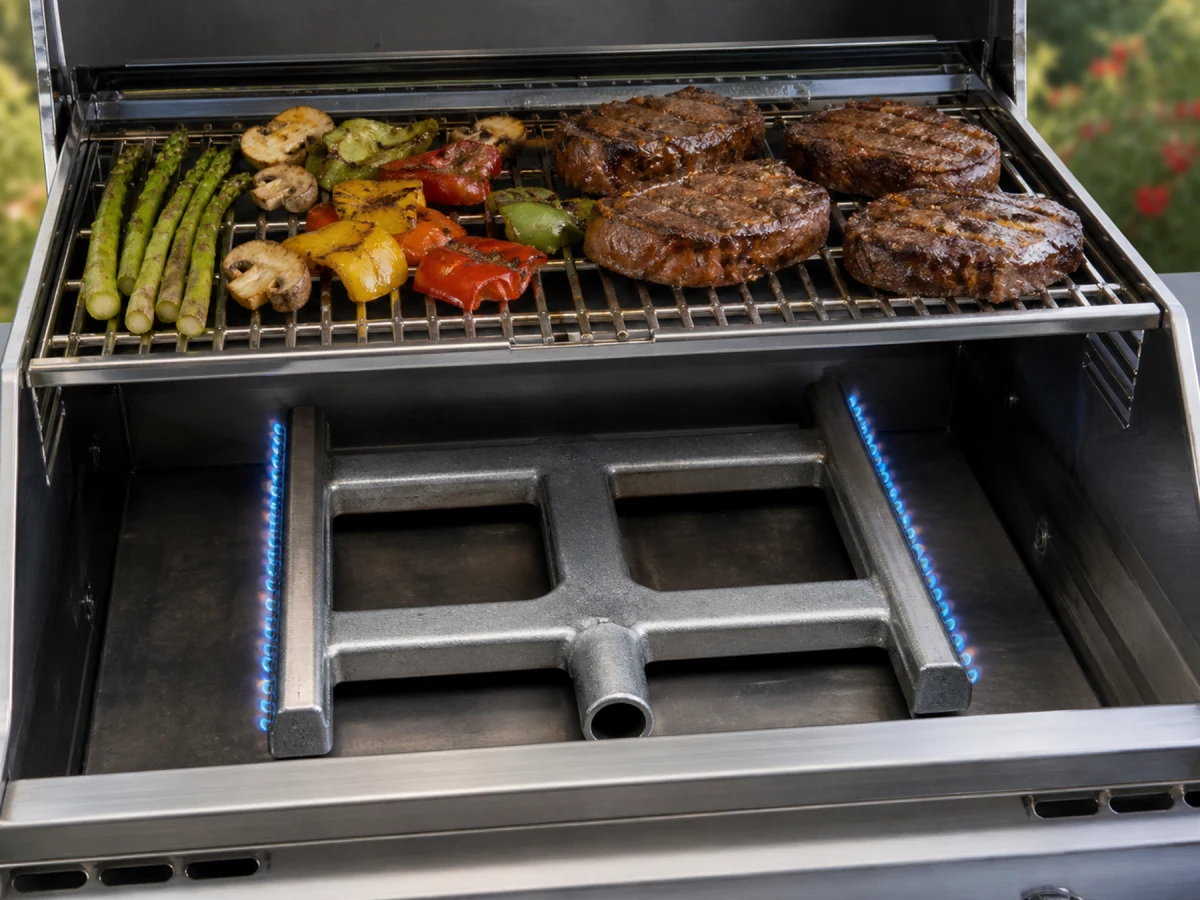
Cast
Parallel branches / center bridge / project inlet
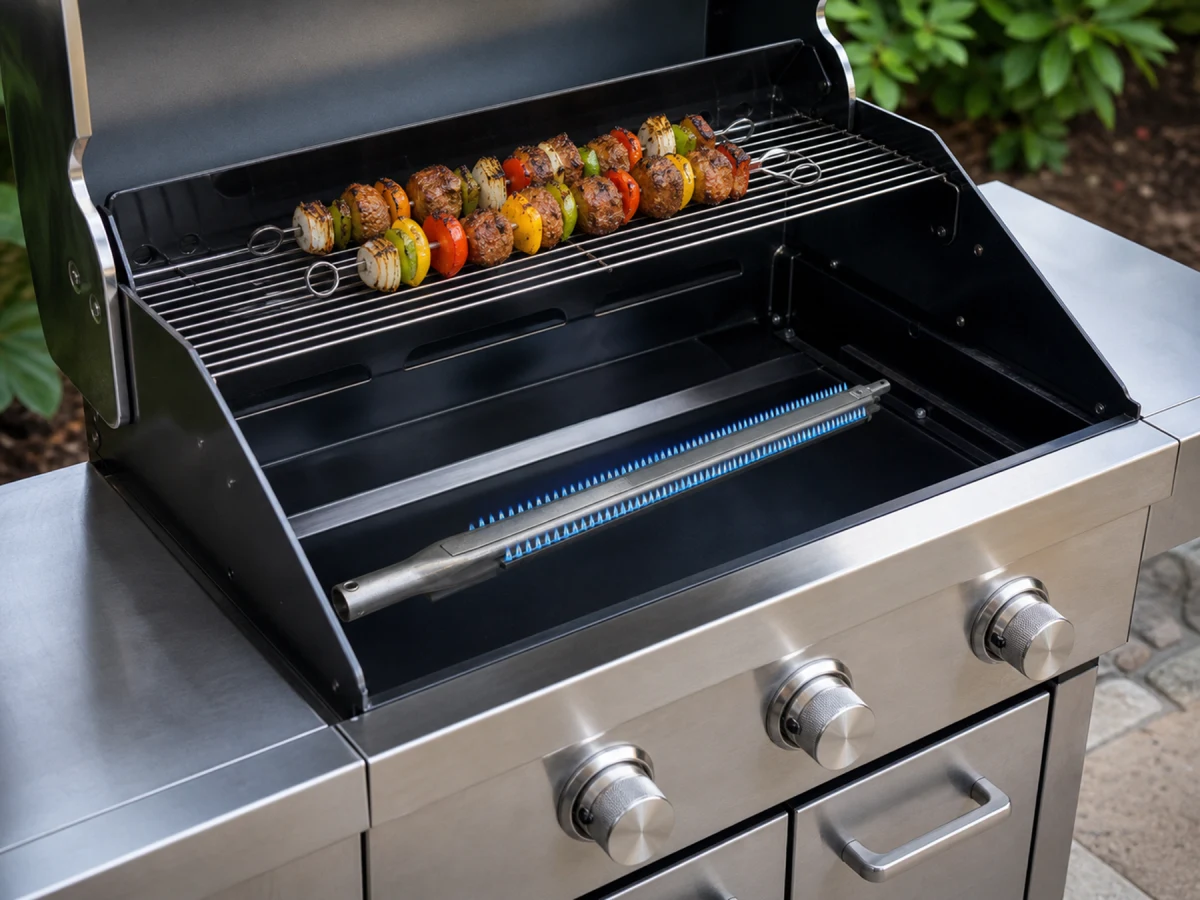
Cast
Cast bar body / side ports / inlet-end mount
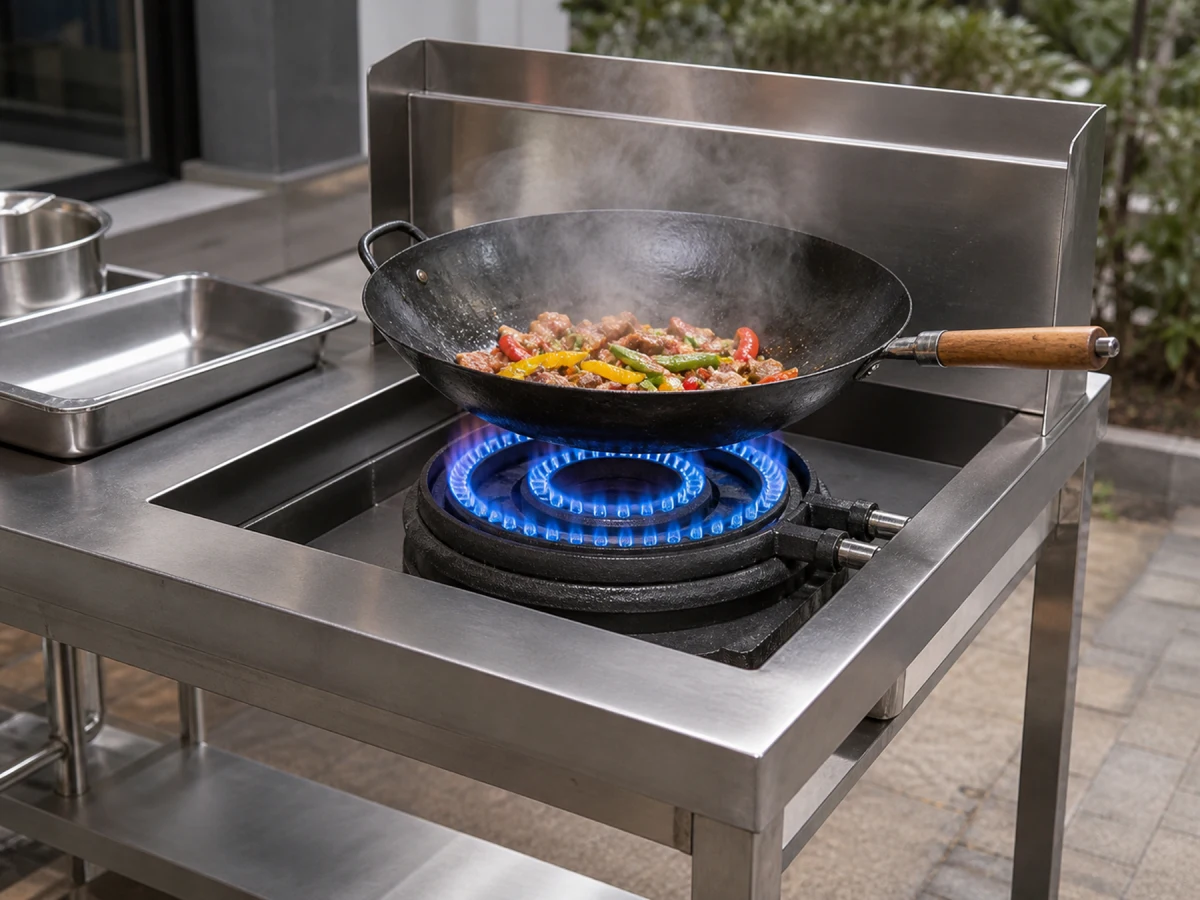
Cast
Concentric cast rings / central opening / side inlet
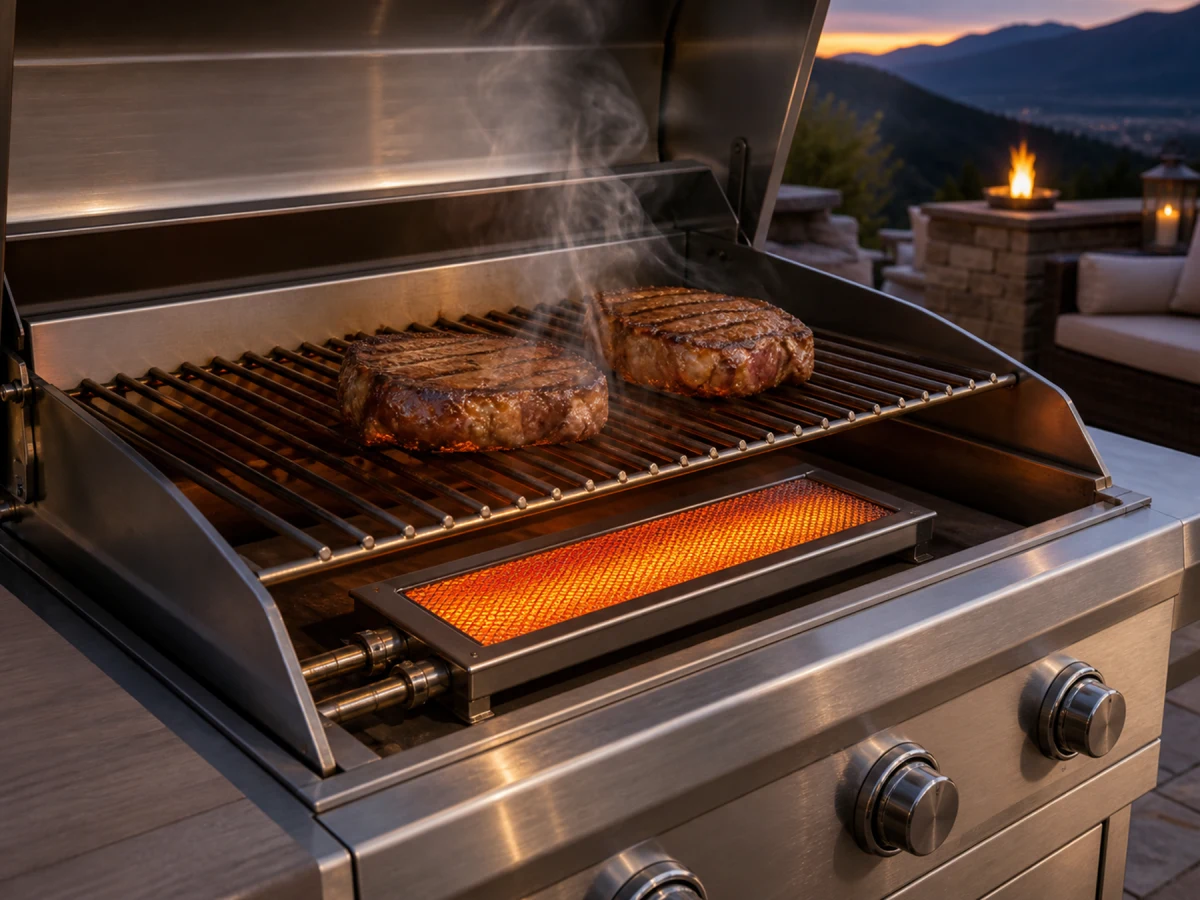
Infrared
Ceramic radiant face / metal housing / inlet assembly
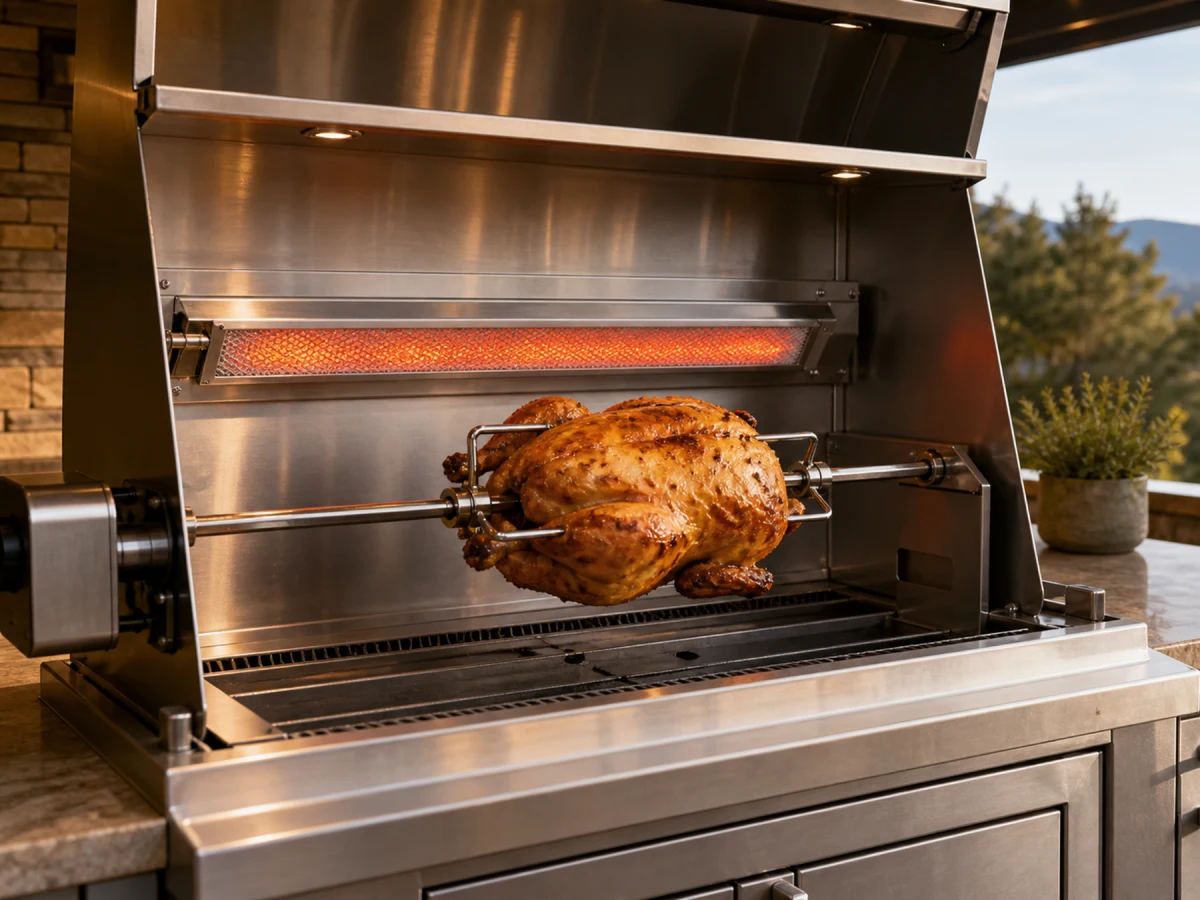
Infrared
Elongated ceramic face / rear housing / project mounting
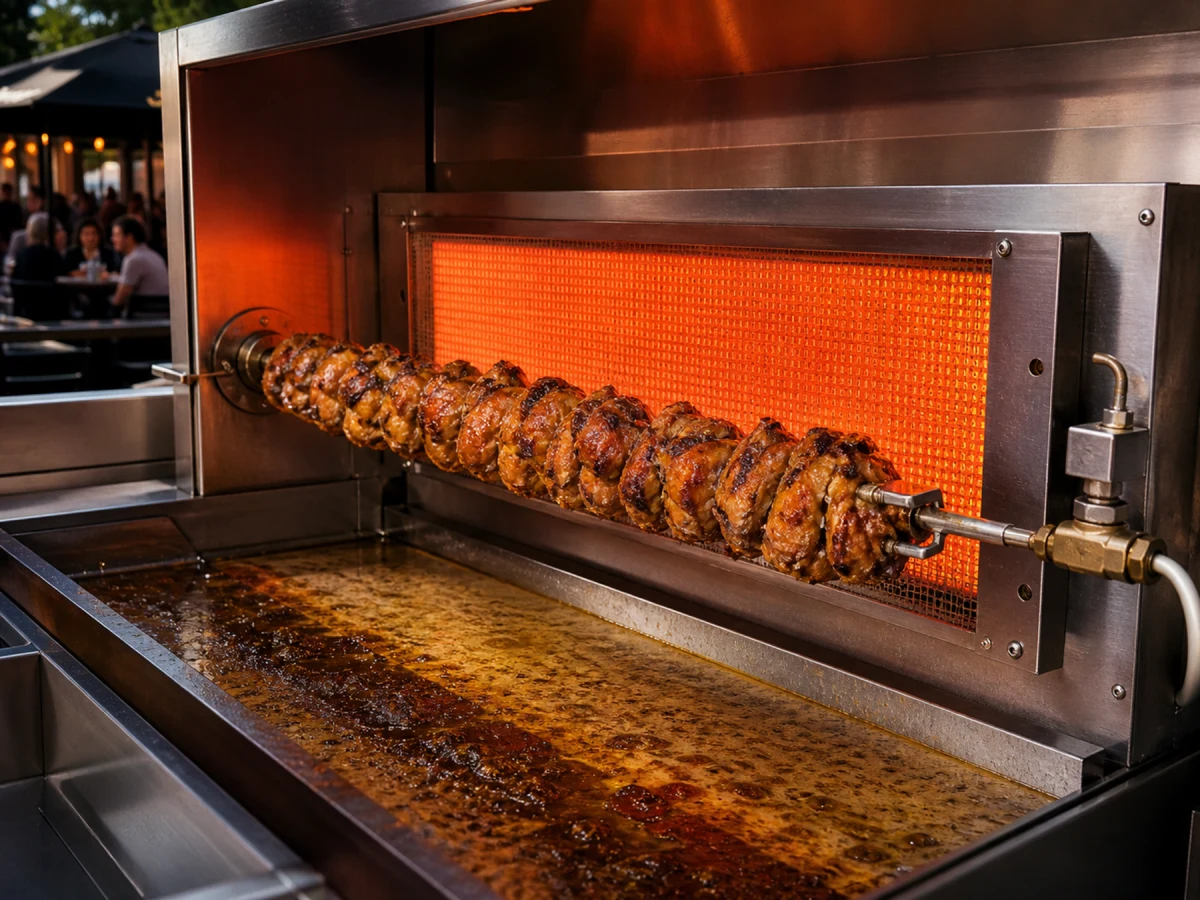
Infrared
Large ceramic face / framed housing / integrated inlet
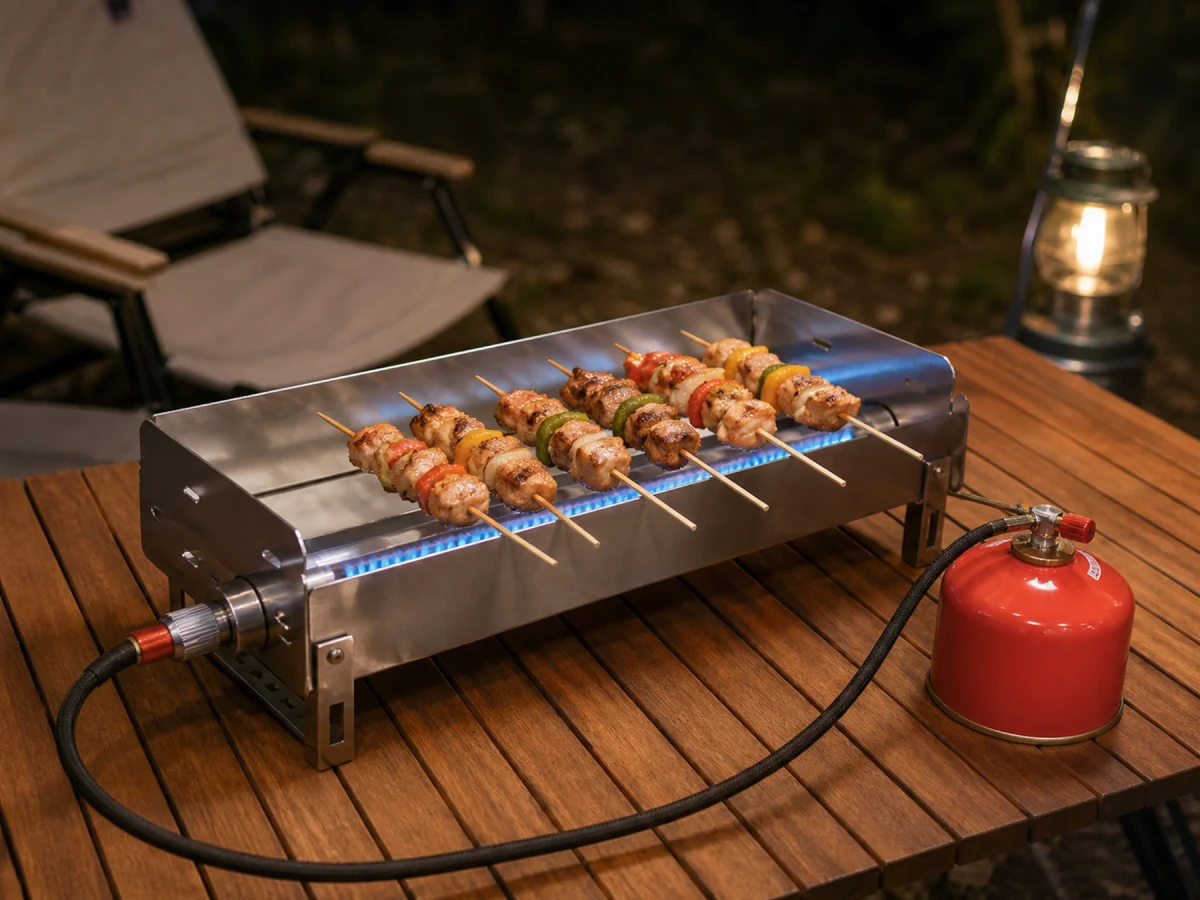
Portable
Tube burner / support brackets / project connection set
Choose a starting point, then add your company, market and quantity to your inquiry.
Your selections: Not decided · OEM / Custom Engineering · To be confirmed
Continue with these preferences →Review these preferences in your inquiry. This is not an approved configuration or quotation.Model-specific details
Each feature image identifies the product it applies to. Check the selected model before including a feature in your requirements.
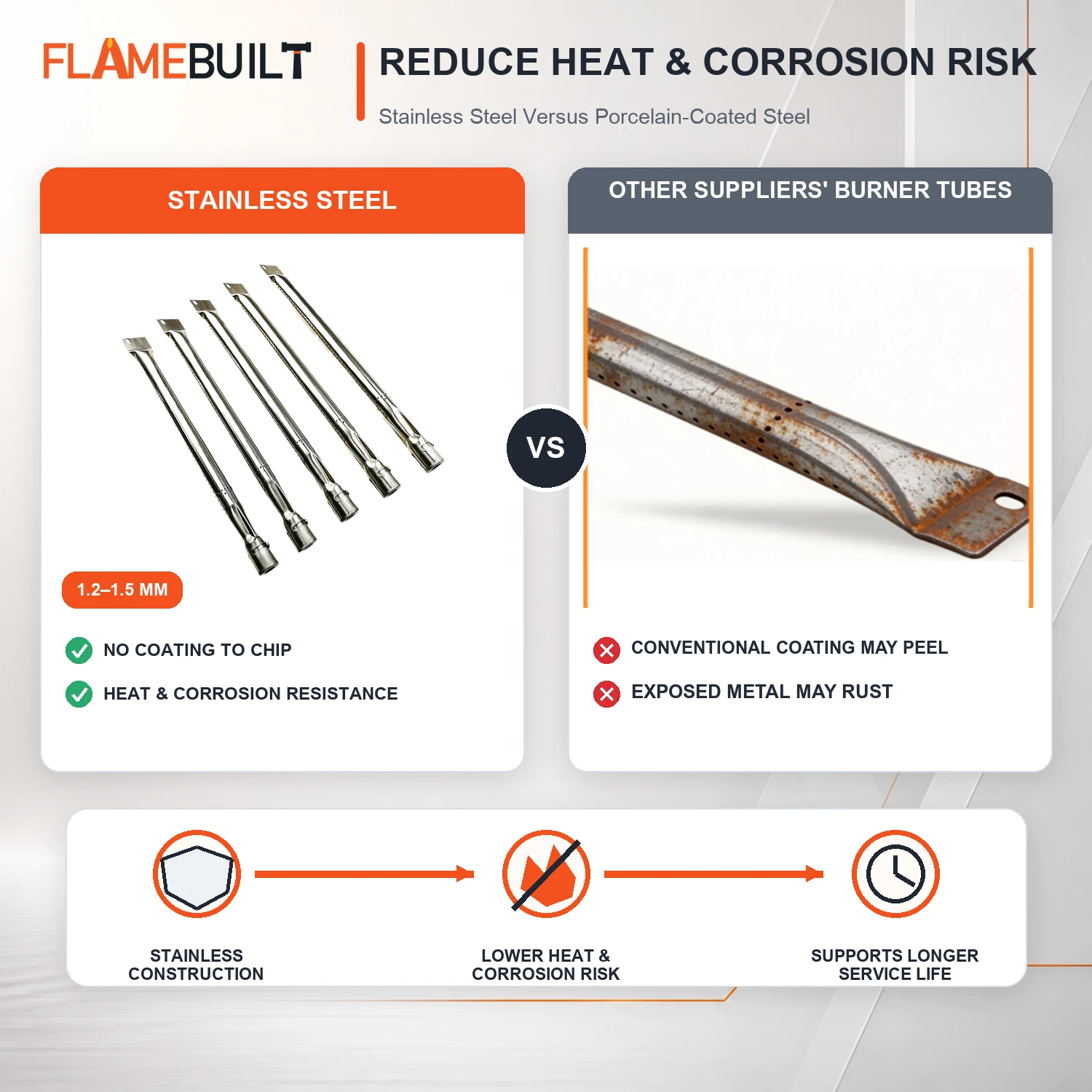
Choose the tube material for your application. Confirm the grade, dimensions and finish on the product drawing.
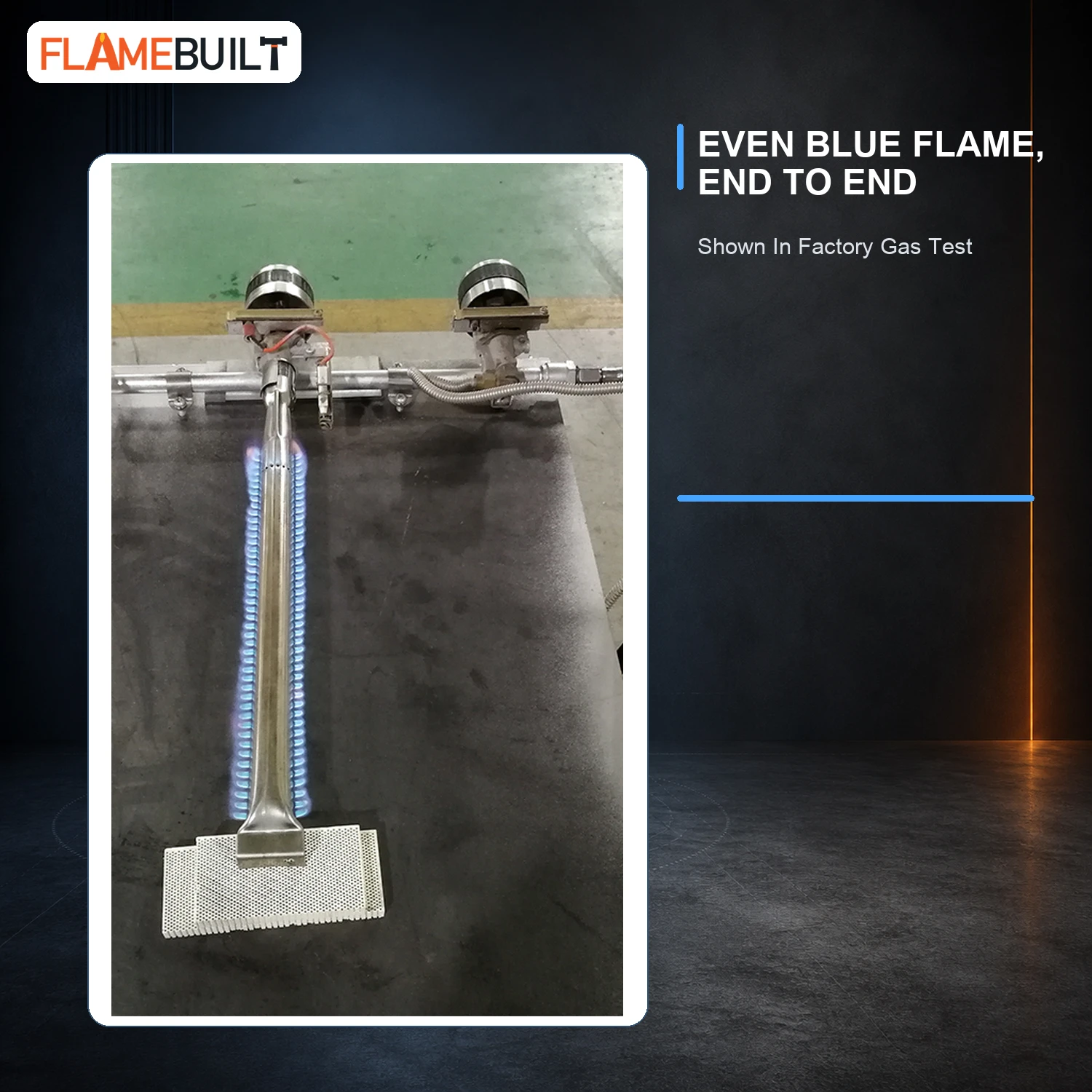
A pictured flame test is evidence of a test setup, not a guarantee of identical flame behavior in every appliance.
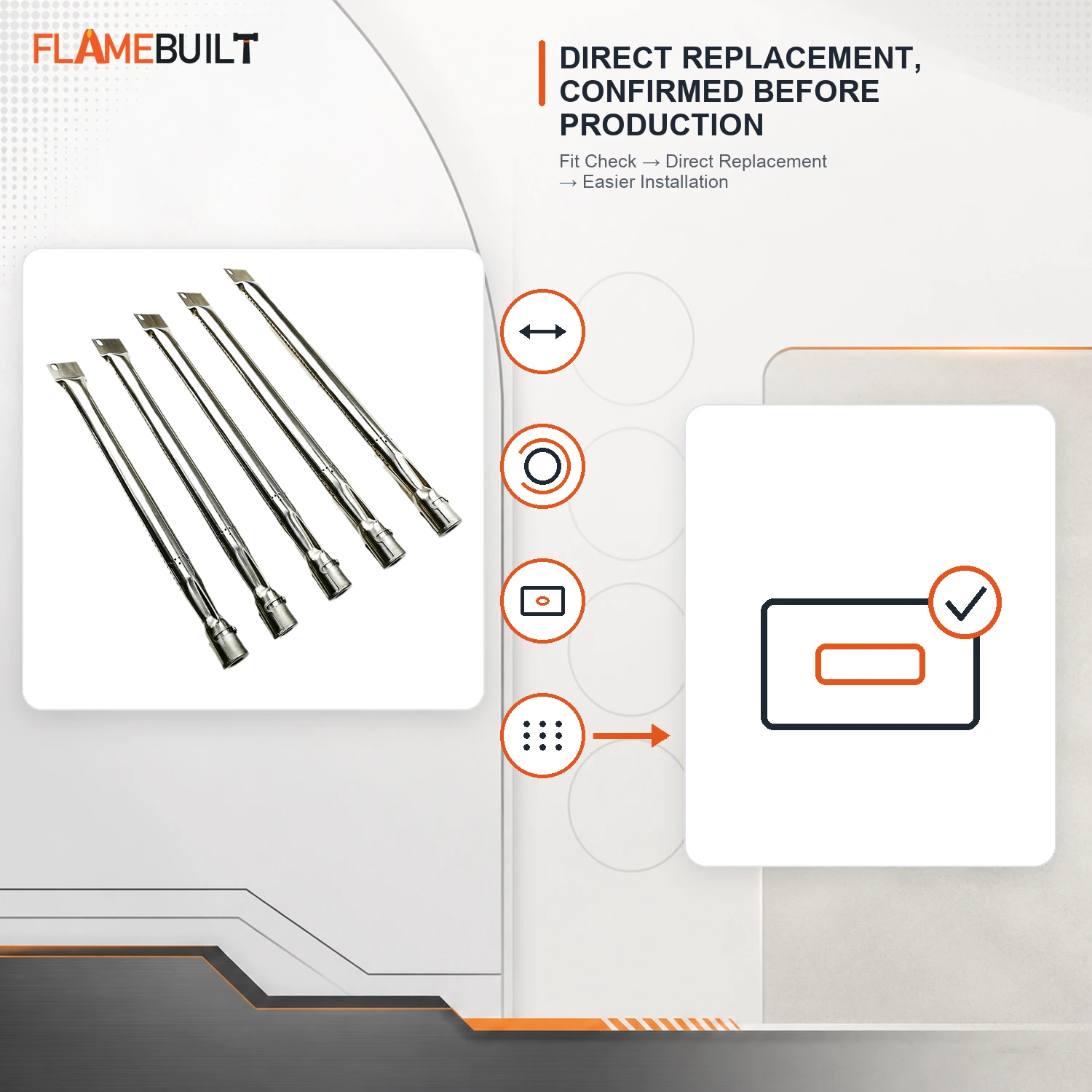
Confirm the appliance model, dimensions, mounting points and gas connection before production. Compatibility is project-specific, not universal.
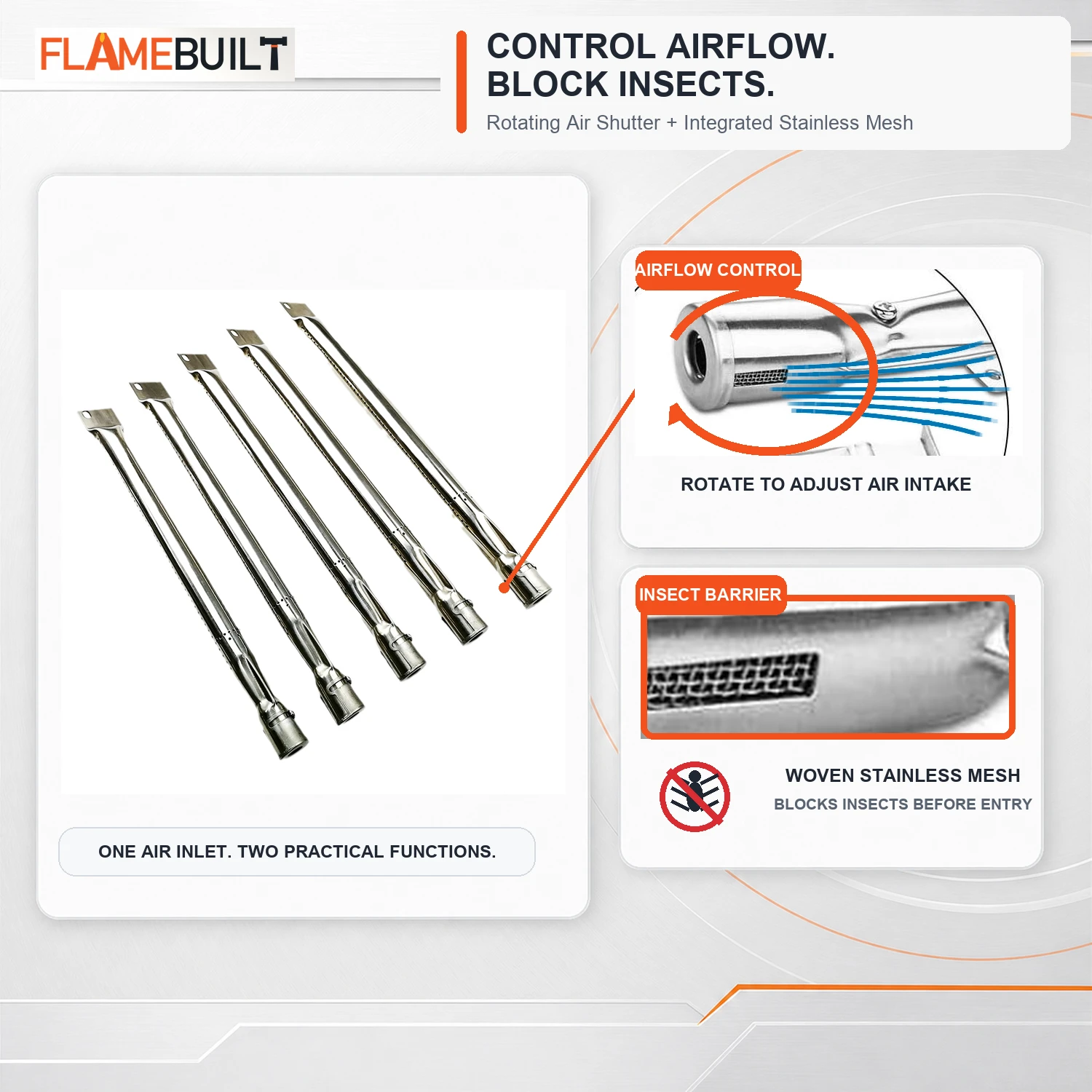
The pictured inlet combines an air adjustment and mesh. Confirm the inlet design, opening range and gas conditions for your grill.
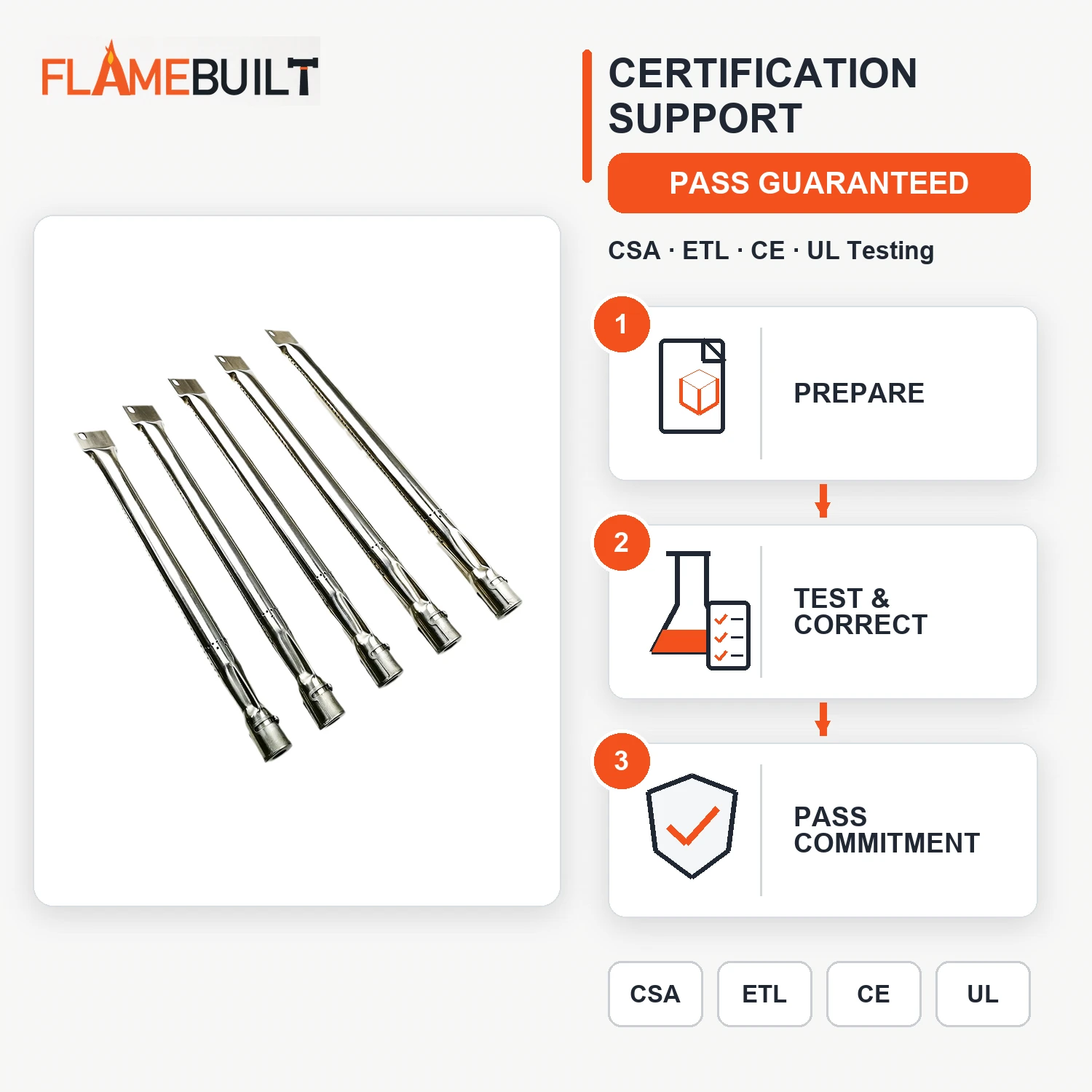
The supplied artwork describes certification support and a pass commitment. Any commitment requires an agreed project scope, applicable requirements and written terms; this image is not a certificate or verified approval.
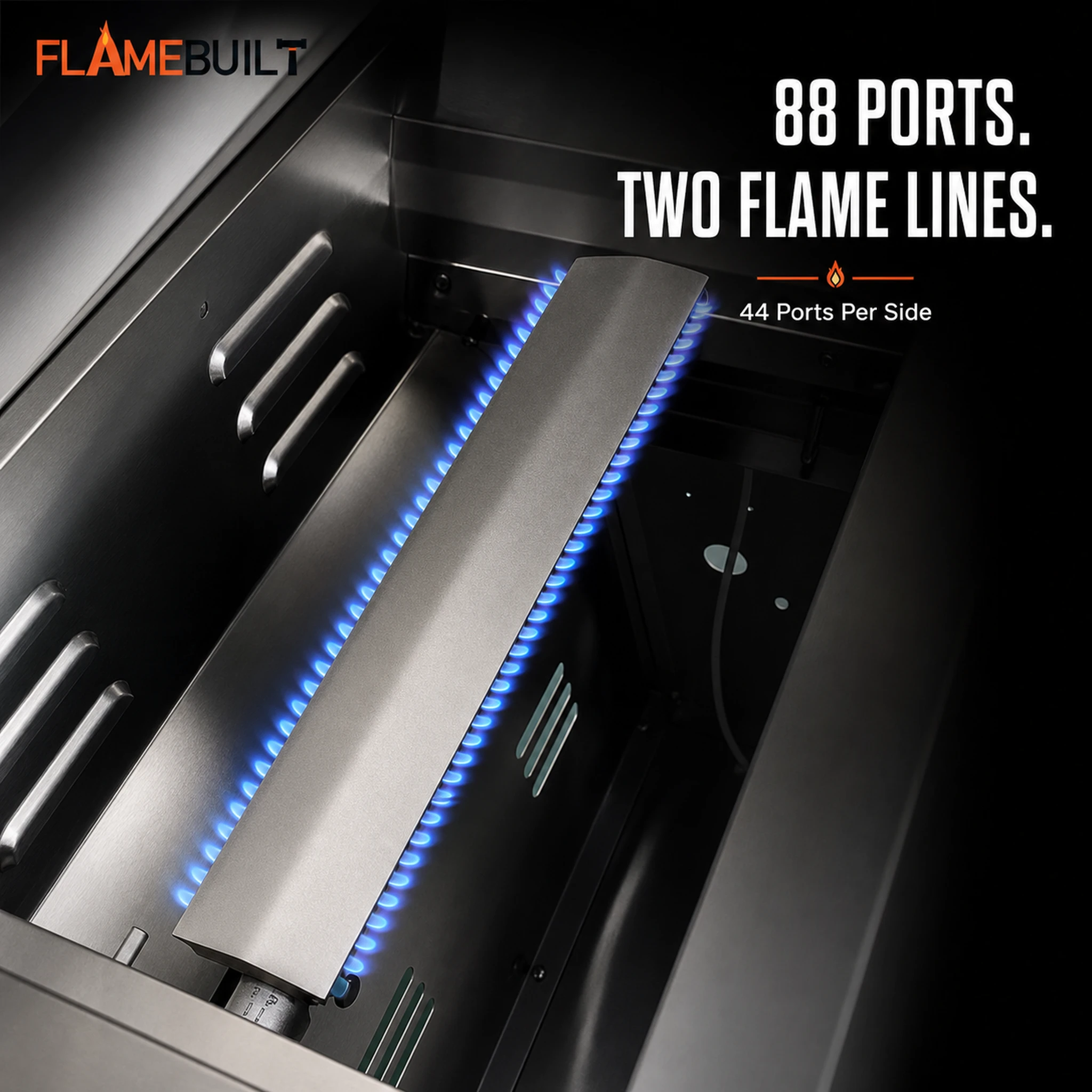
Port count and row geometry belong to this pictured cast example only; confirm them against the selected drawing.
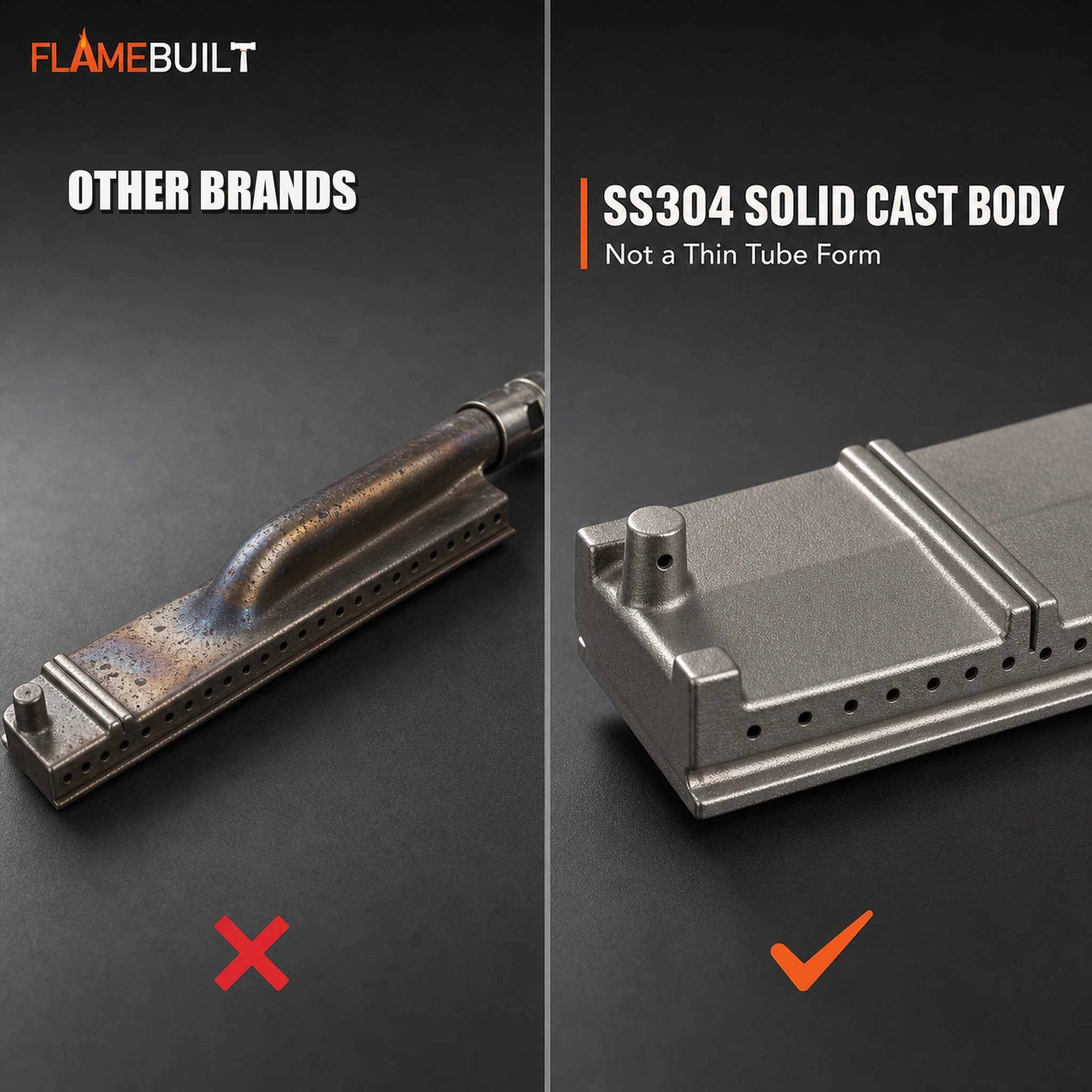
The shown cast example is identified as 304 stainless steel; this grade does not apply to all cast architectures.
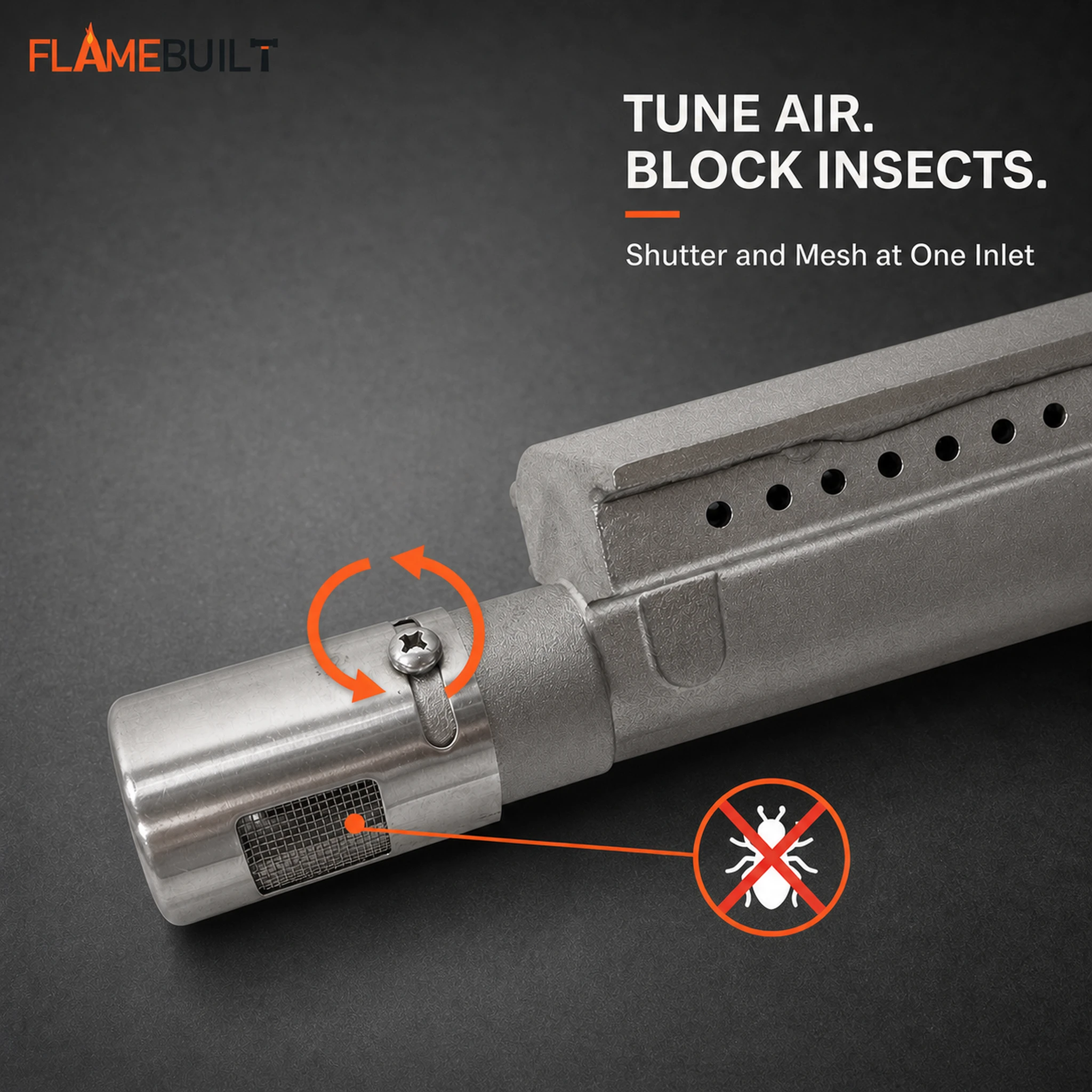
The inlet end includes a shutter and mesh in this example. Review the connection and air adjustment against your grill design.
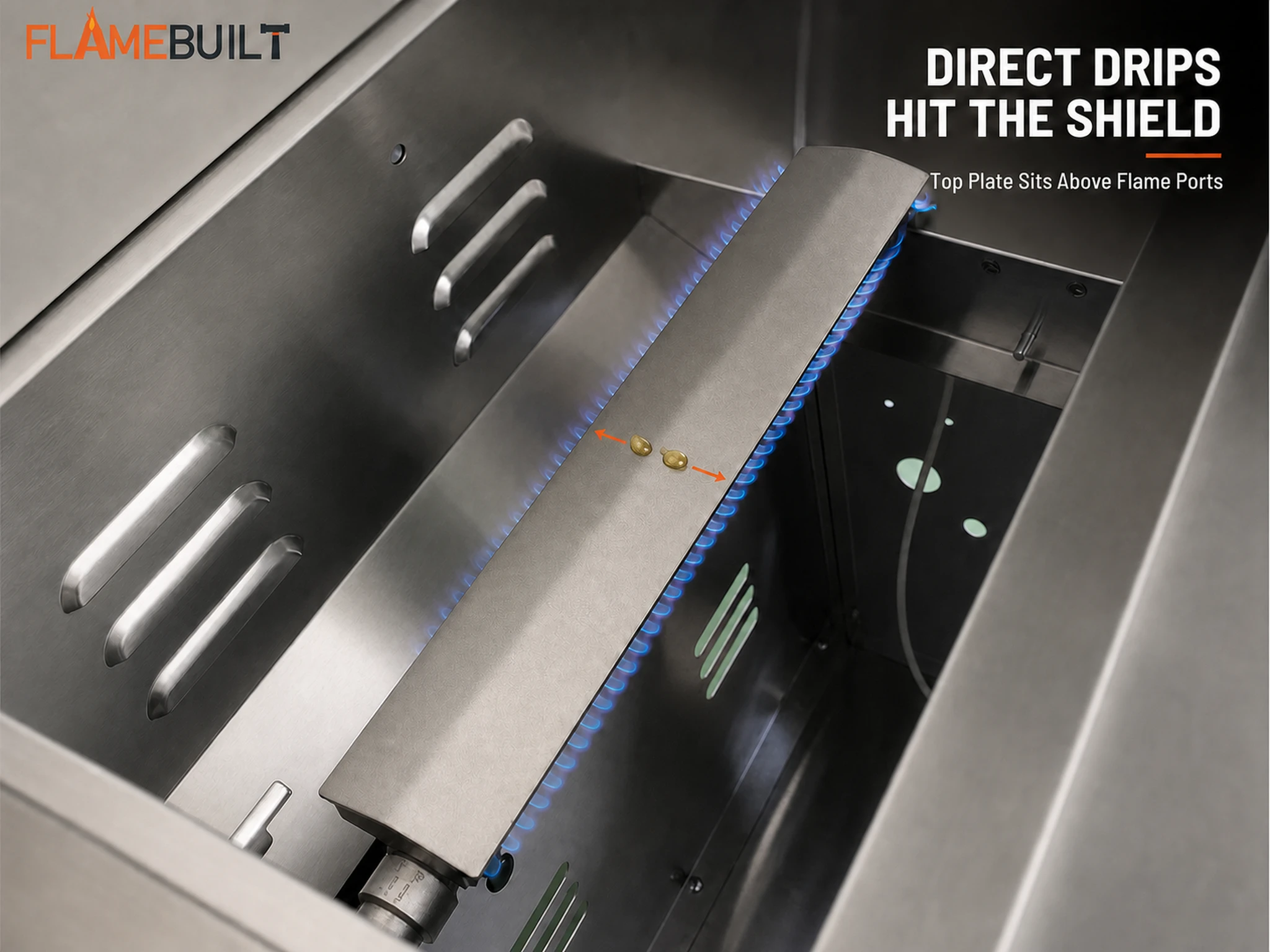
The pictured shield sits above the burner. Confirm its size, position and clearance with the complete grill assembly.
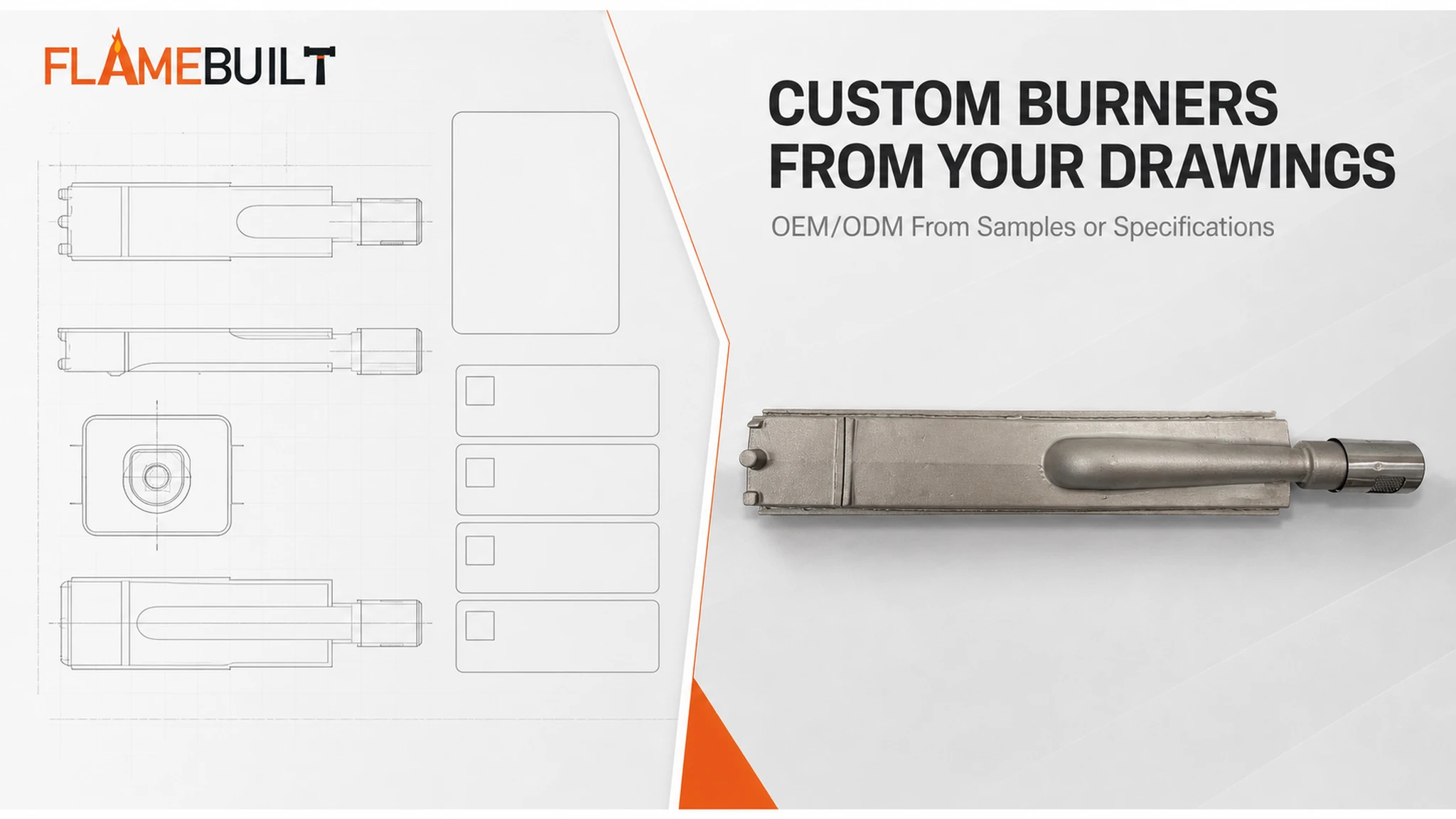
Share a drawing or sample to discuss the cast body, port layout, inlet and mounting points. Tooling and sampling are reviewed for the design.
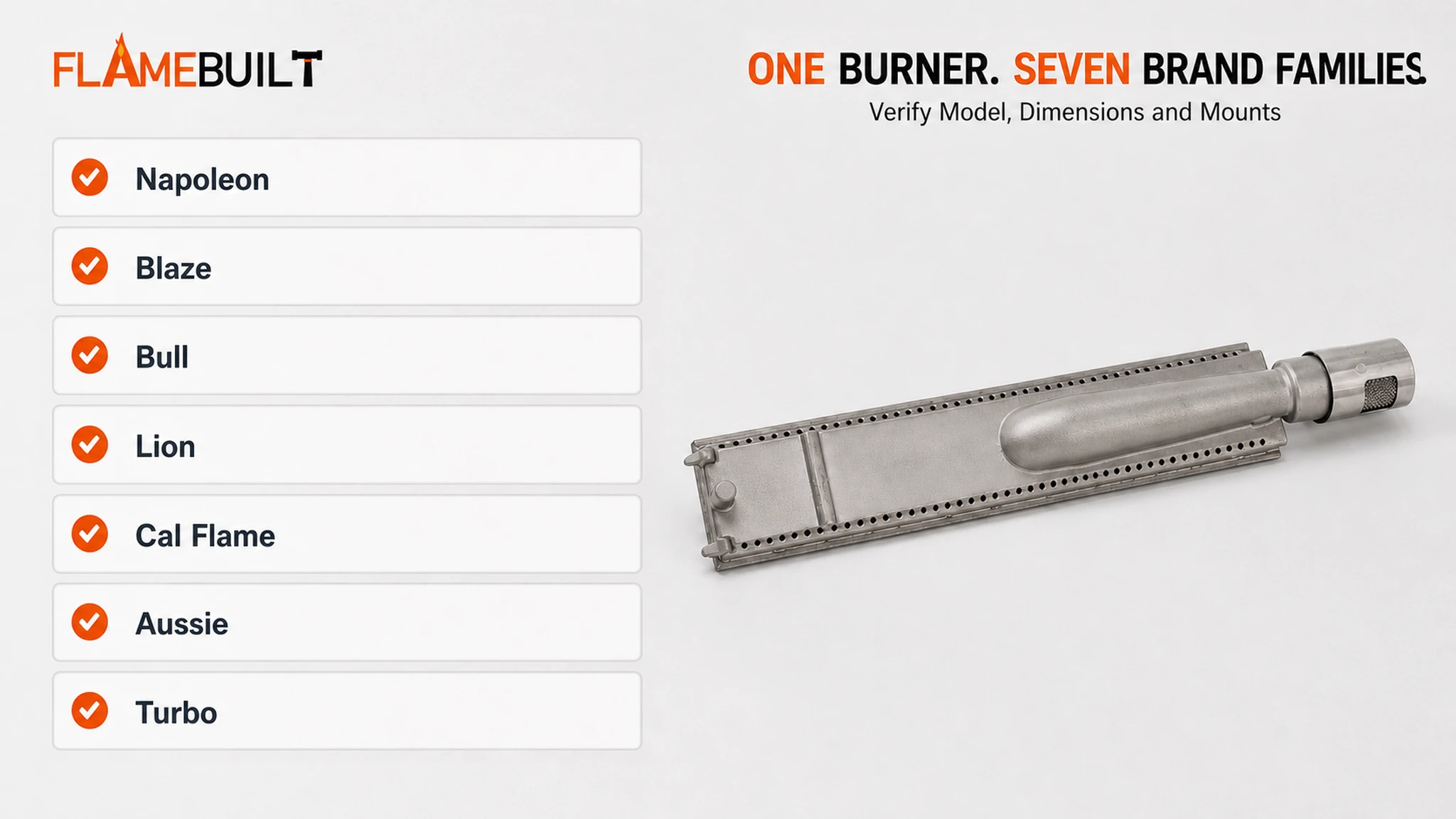
The supplied artwork lists seven brand families. Confirm the exact appliance model, dimensions, mounts and gas connection before ordering; brand-family names alone do not establish compatibility.
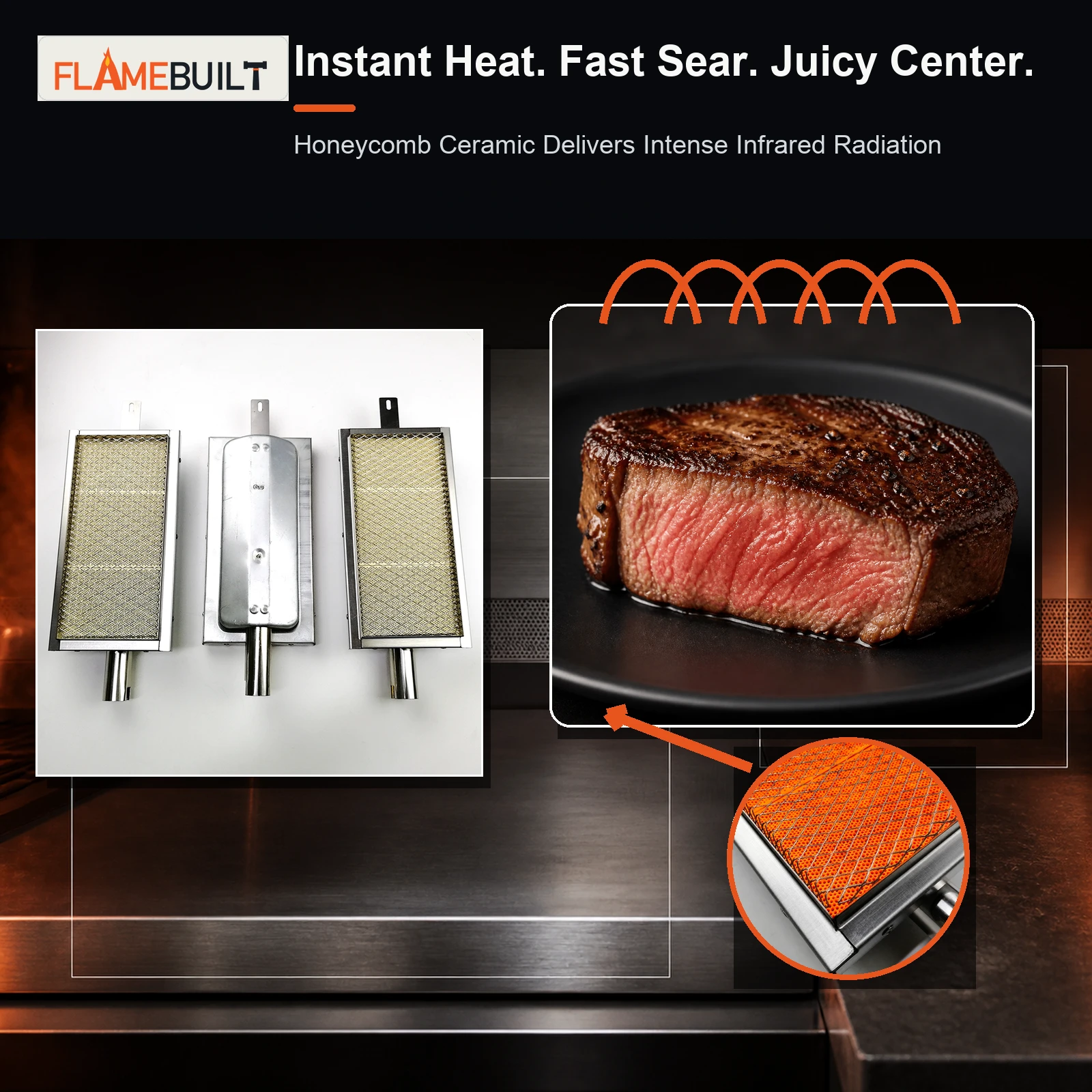
The ceramic face transfers radiant heat. Searing time and cooking results require defined test conditions; no speed guarantee is made.
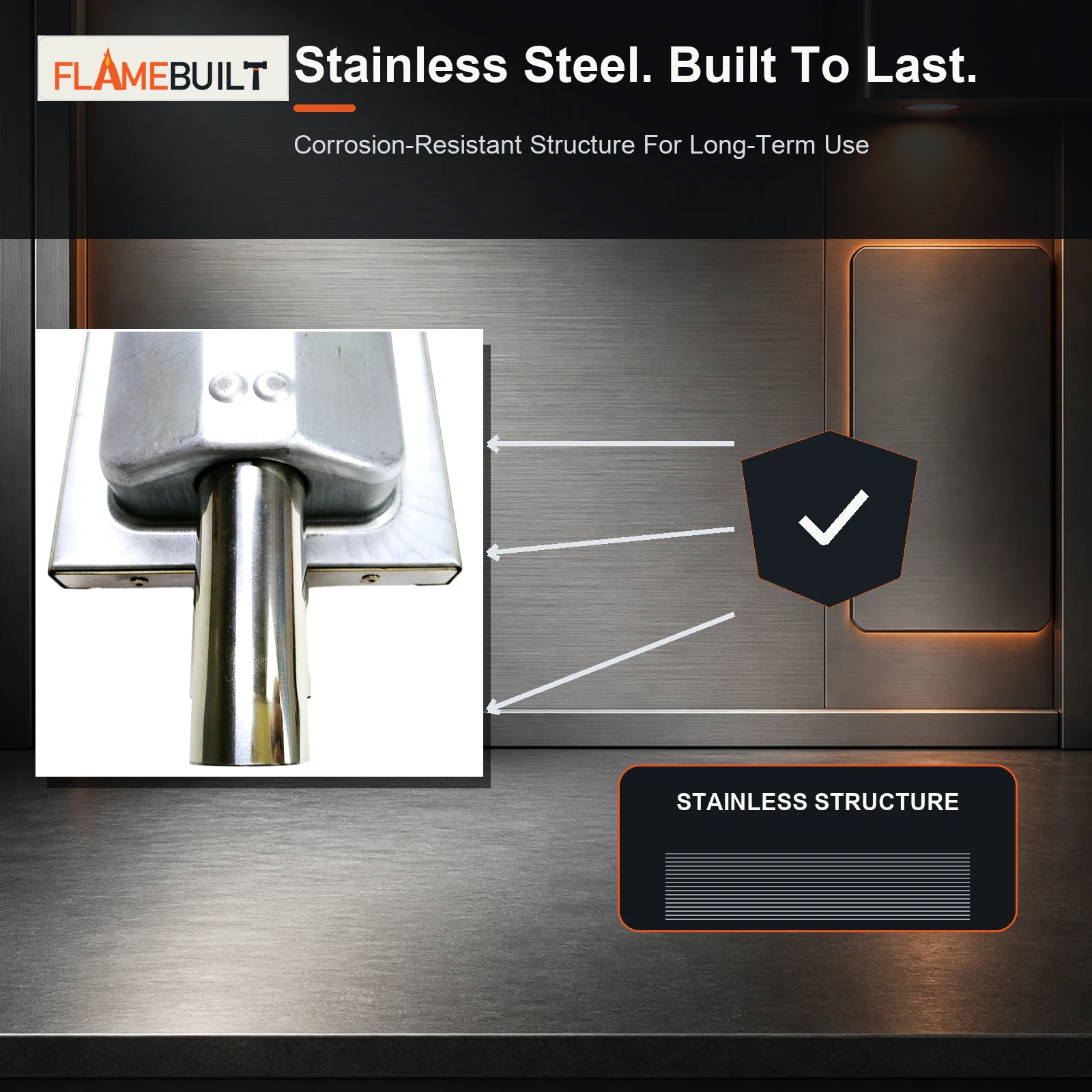
Review the housing material, dimensions and mounting details for your grill. The pictured construction is not shared by every model.
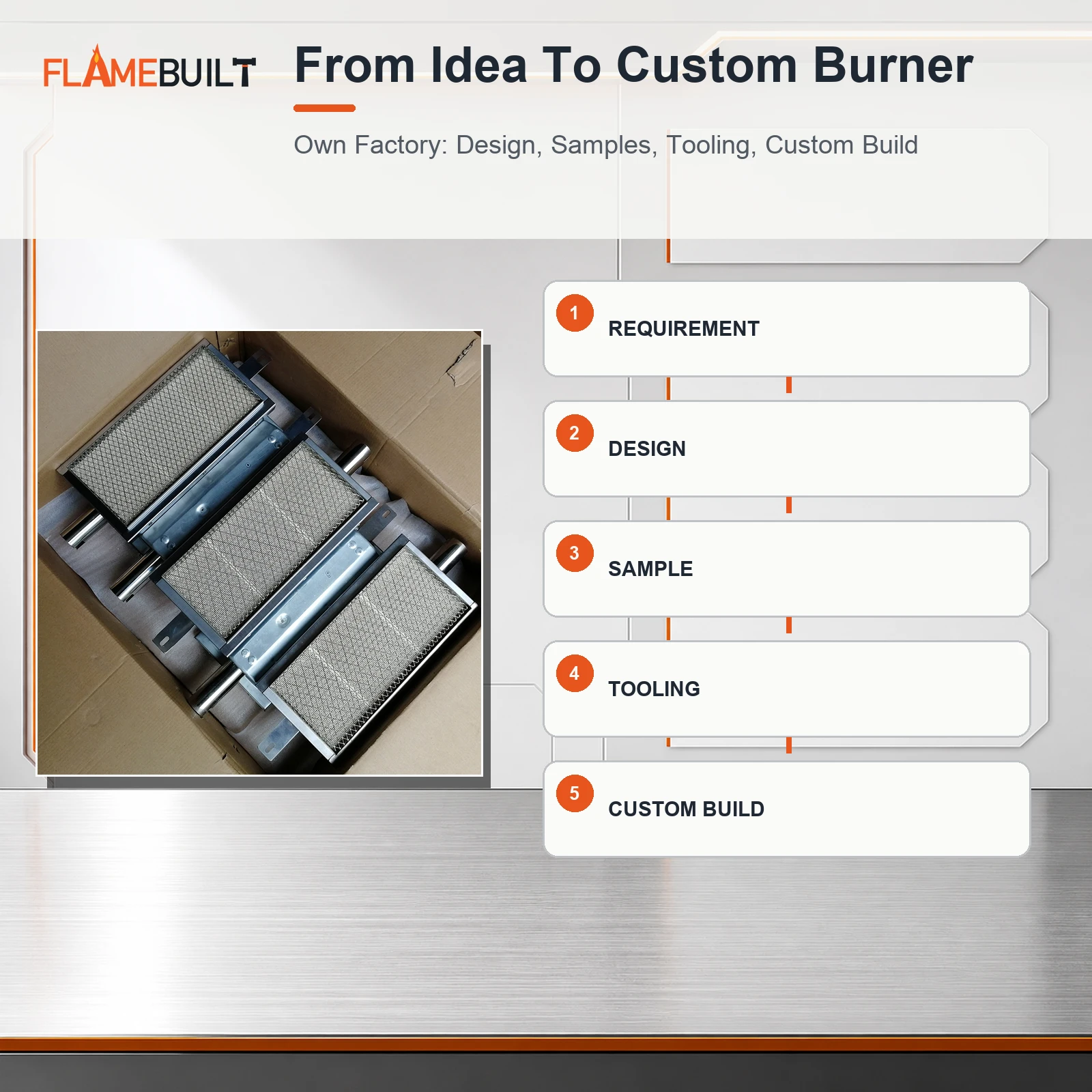
Start with the heating area, mounting space and gas requirements. The burner design and testing plan are agreed for your application.
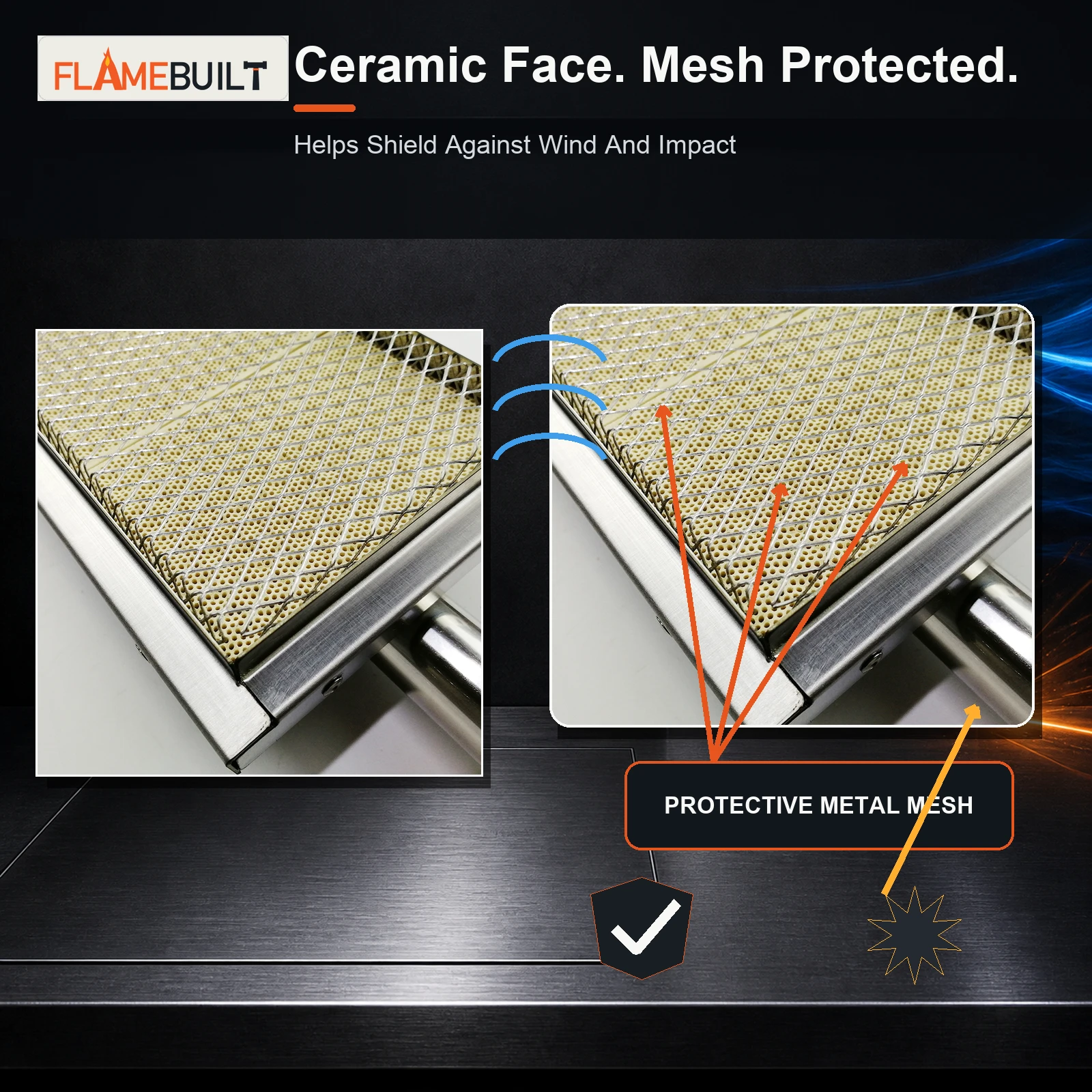
The mesh is shown over the ceramic face. Confirm the mesh and frame arrangement for your selected burner.
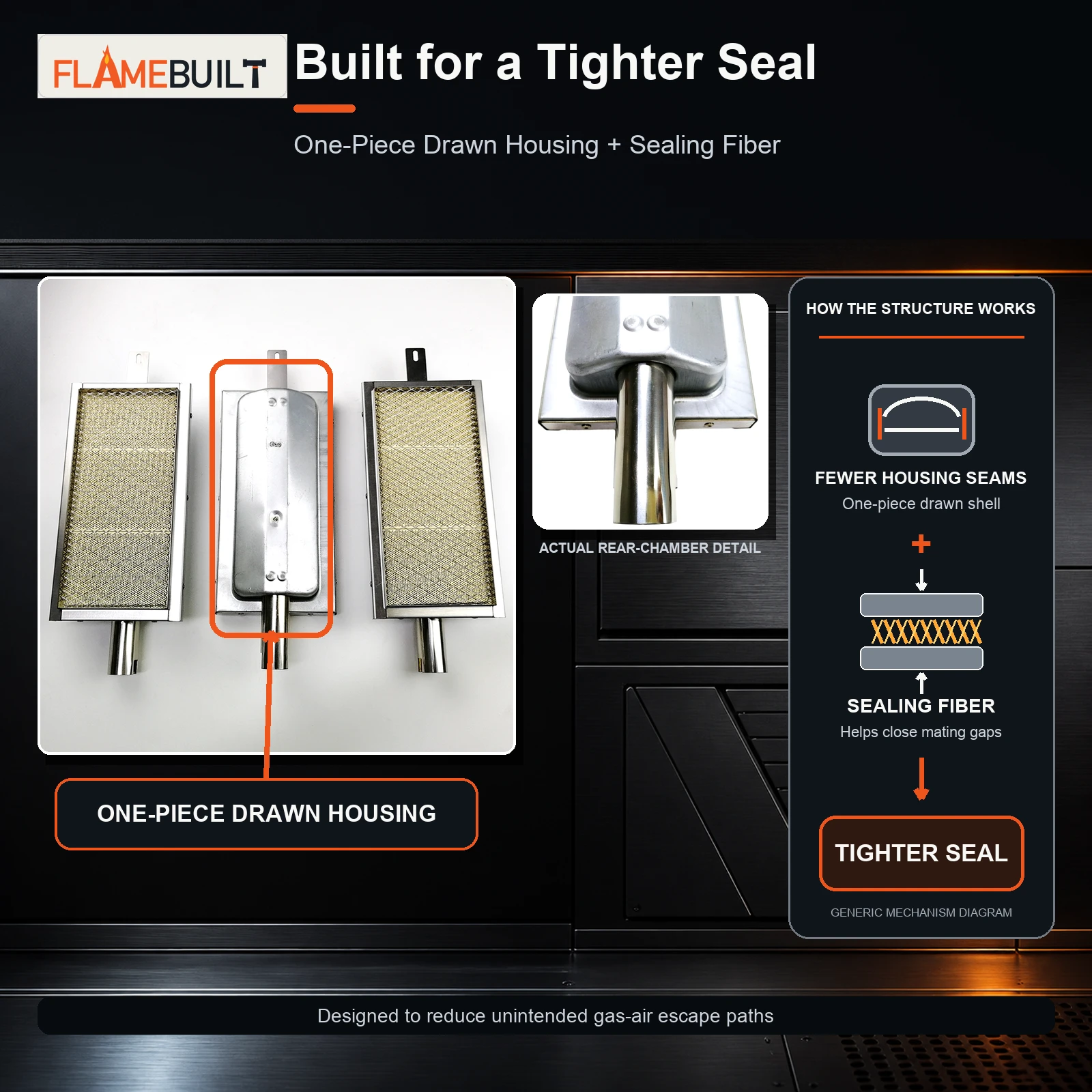
The pictured design combines a drawn housing and sealing fiber at mating surfaces. Sealing performance must be checked in the assembled burner.
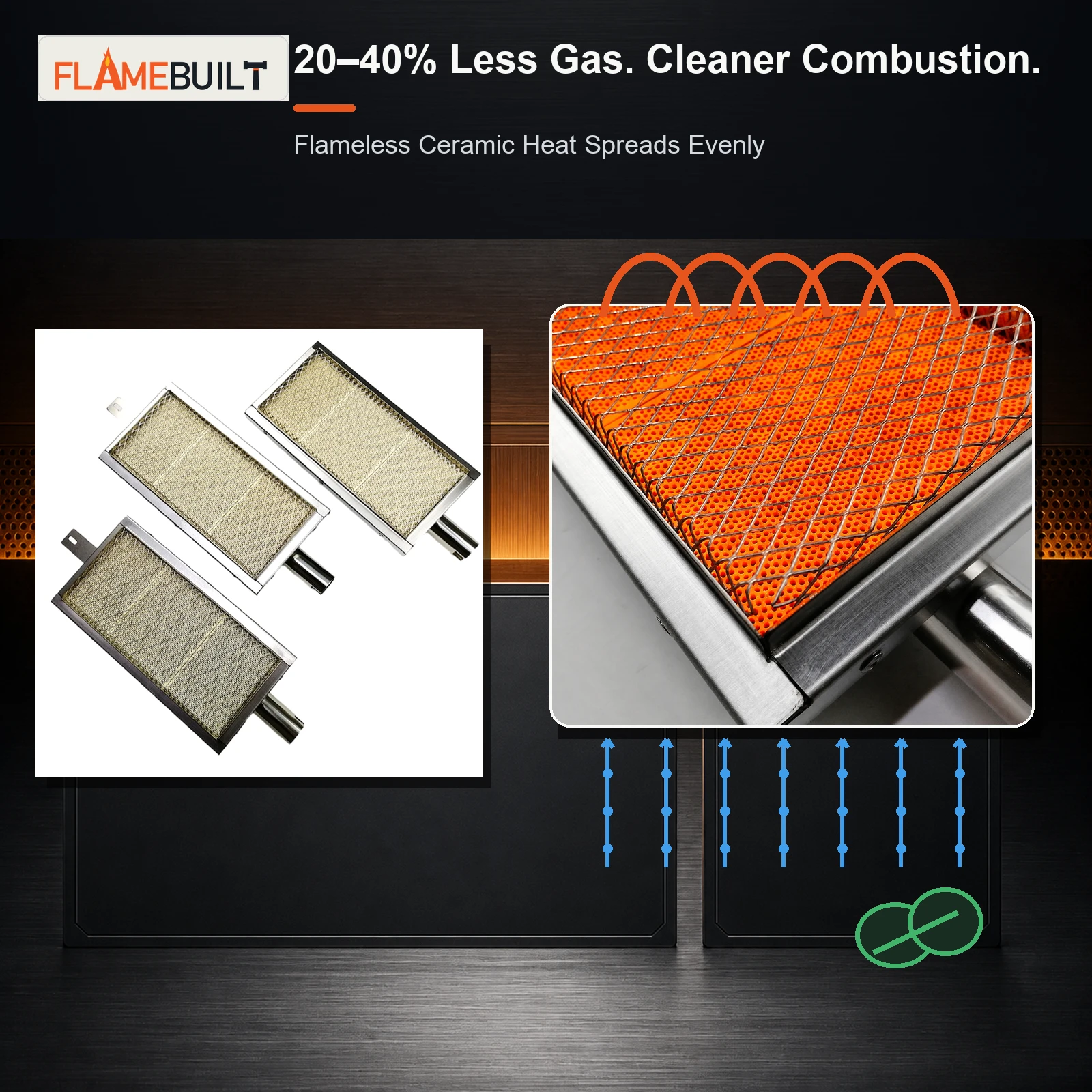
The supplied artwork states 20–40% less gas. The comparison baseline, appliance configuration and test conditions require verification before this figure is treated as a product specification.
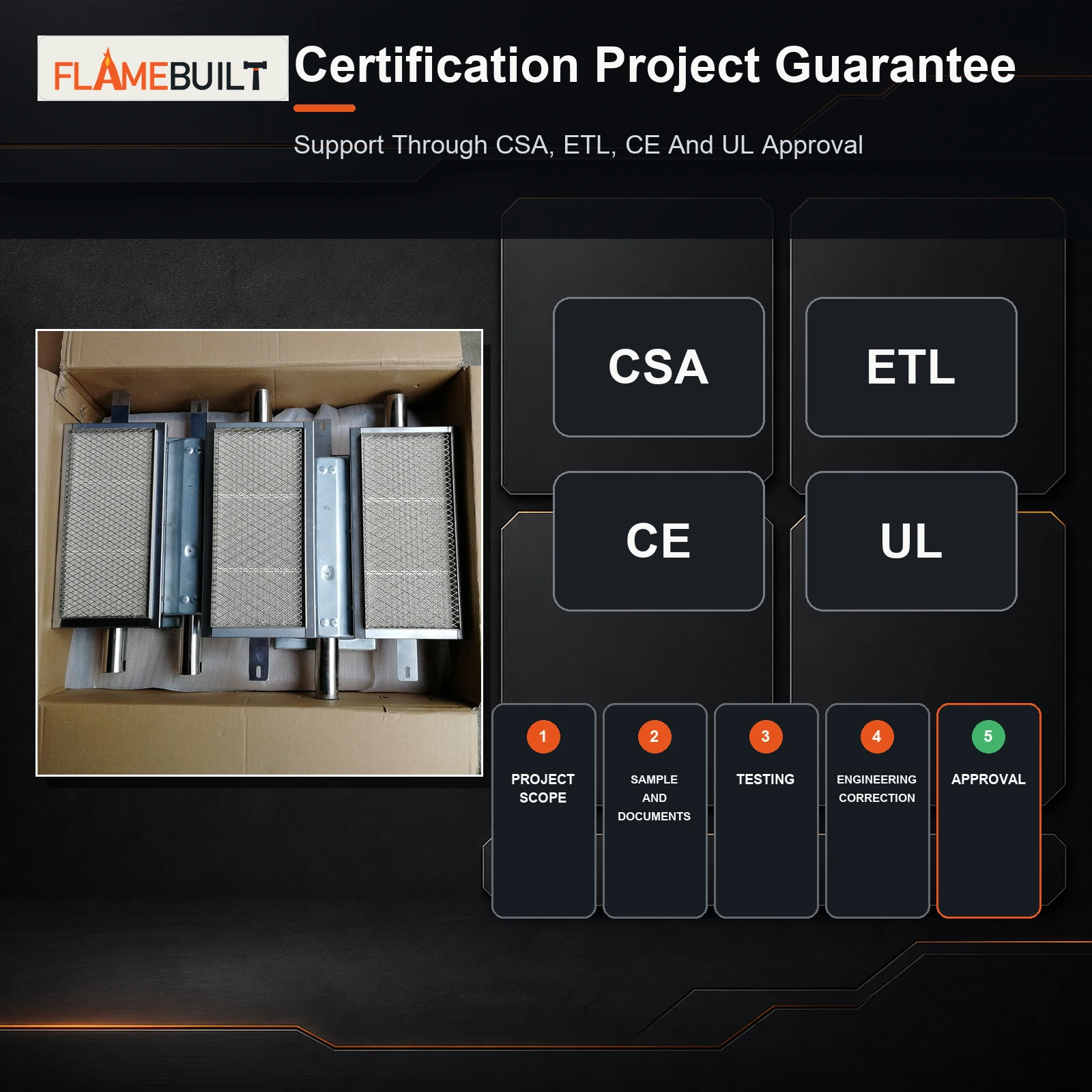
The supplied artwork presents a certification project commitment. Confirm the complete appliance, target market, testing scope and written terms; certification status is not established by the artwork.
How It Works
Orifice → primary air → venturi and mixing → burner ports → prototype testing. Geometry and test criteria are developed for the appliance, not the burner alone.
Match inlet, aeration, mixing and ports, then validate the complete appliance under defined test conditions.
Gas inlet → primary air → venturi → mixing tube → burner head → ports.
The gas jet enters at the inlet. Confirm fuel, supply pressure and orifice.
Air enters around the gas jet. The shutter opening depends on fuel supply and geometry.
Throat geometry and inlet alignment require engineering review.
The gas/air mixture flows toward the burner head. Confirm mixing and distribution for the complete appliance.
Confirm port count, area and layout. Review heat input and port loading together.
Inlet conditions ↔ gas/air mixing ↔ port discharge behavior
Define and verify the project combustion window. Agree fuel, pressure, heat input, installation and acceptance criteria; no universal numerical design band is claimed.
Supplied burner air/gas balance principle reference, adapted for project-specific validation. Concept only, not to scale. No fixed area ratios, numerical stability limits, emissions threshold or certification approval is asserted.
Brochure & inquiry
Use the English brochure to review the wider collection. Final configuration and any performance or testing claim require model-specific confirmation.
Download the Custom BBQ Burner Series brochure (PDF)Buyer questions
Not from that alone. Provide the appliance model, original part, mounting dimensions, inlet details and gas conditions. A photo helps identify a candidate; compatibility needs the complete fit and operating-condition review.
Start with the appliance function, available space, mounting and operating inputs. Tube, cast and ceramic infrared designs are not a universal performance ladder. Review relevant designs and agree the checks needed for the application.
Do not assume they are. State the required gas and supply pressure for the intended configuration. The burner and related gas-system components need to be reviewed together for the appliance.
Yes, include your material requirement in the engineering brief. The actual grade and section requirements must be confirmed for the selected part, drawing and sample; they cannot be inferred from appearance.
No. A brand-family or historical fit reference is a starting point for review, not a universal direct-replacement promise. Confirm the exact appliance version, dimensions, interfaces and operating configuration.
Use OEM / Custom Engineering for a new component or defined design change. Use Aftermarket & Replacement Parts when matching a part to an existing appliance. Include estimated quantity and note which drawings, samples or measurements are available.
Plan your sourcing project
Define the appliance, gas conditions, mounting, material and validation inputs for a custom BBQ burner. Use the checklist before engineering review.
Read the buying guideCompare tube, cast and ceramic infrared burner architectures for your grill project. Define mounting, gas conditions and the required validation.
Read the buying guidePrepare an OEM grill inquiry with the market, quantity, drawings, packaging and approval requirements needed for a useful manufacturing review.
Read the buying guideRecord a replacement burner’s appliance model, mounting centers, inlet and gas conditions. Prepare evidence for a fit review, not a visual guess.
Read the buying guide